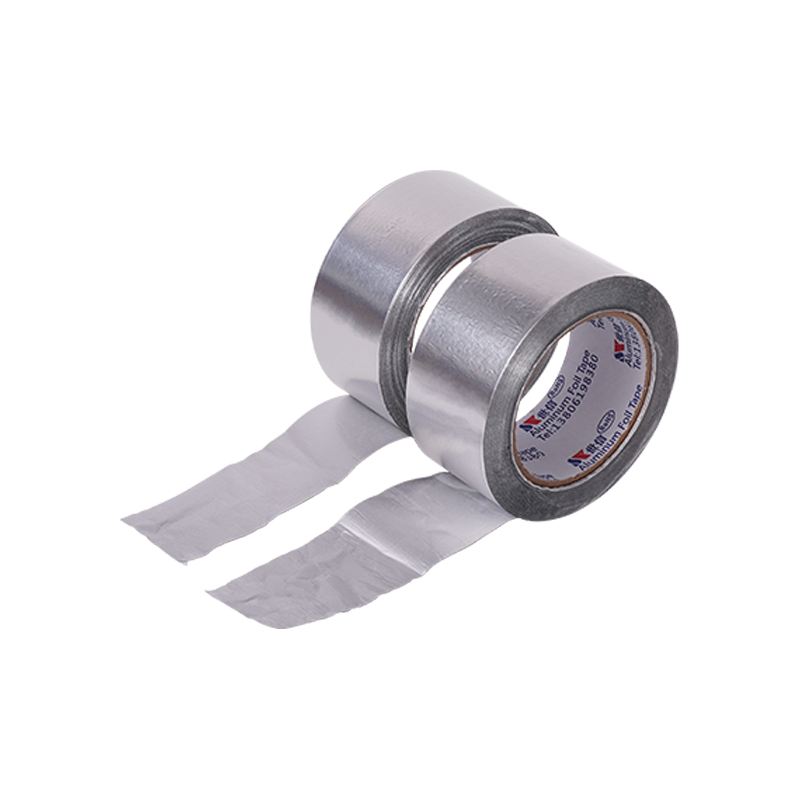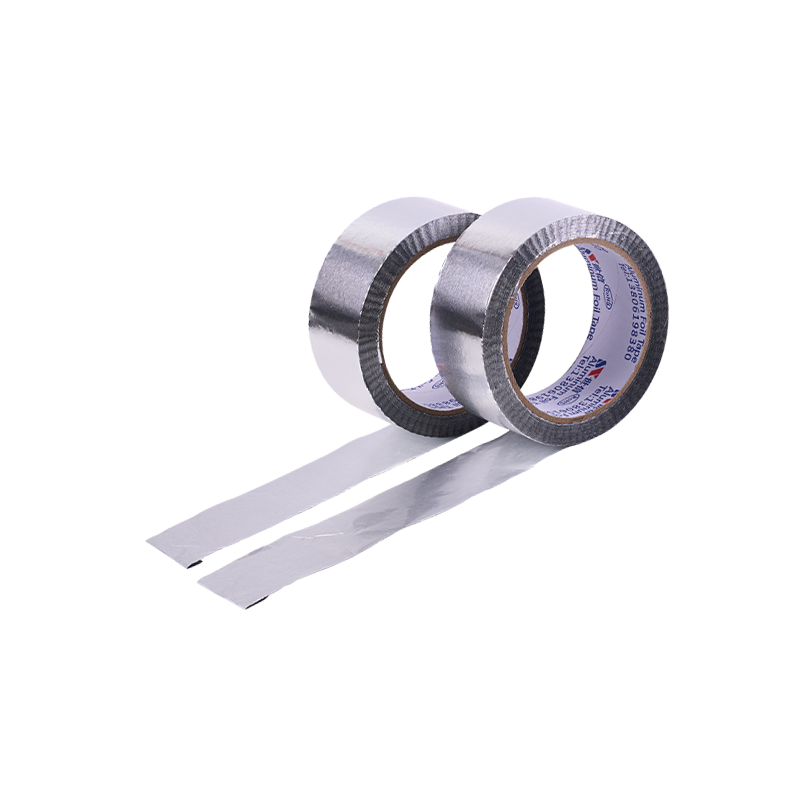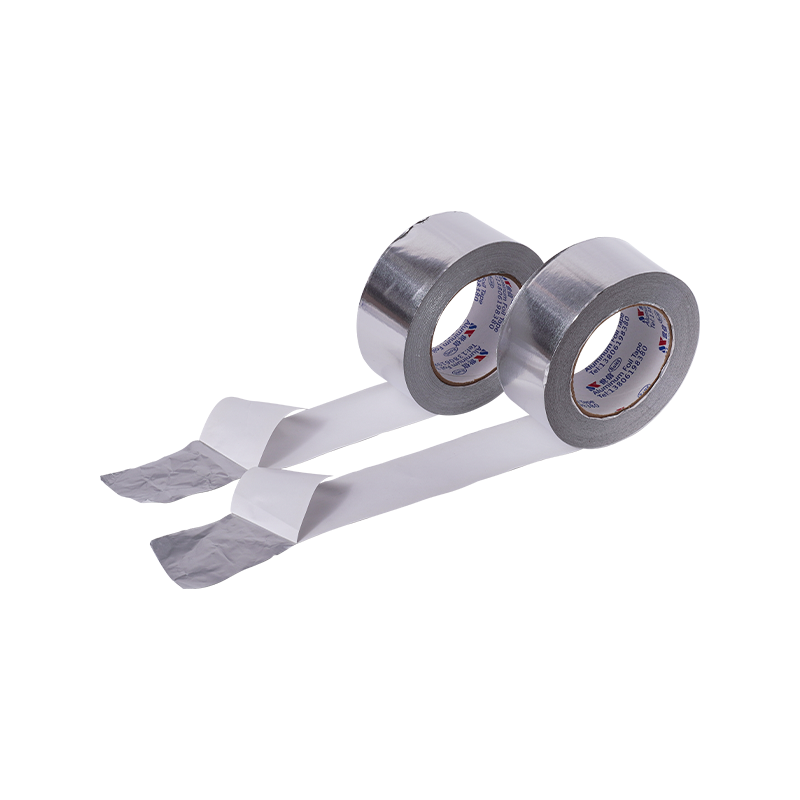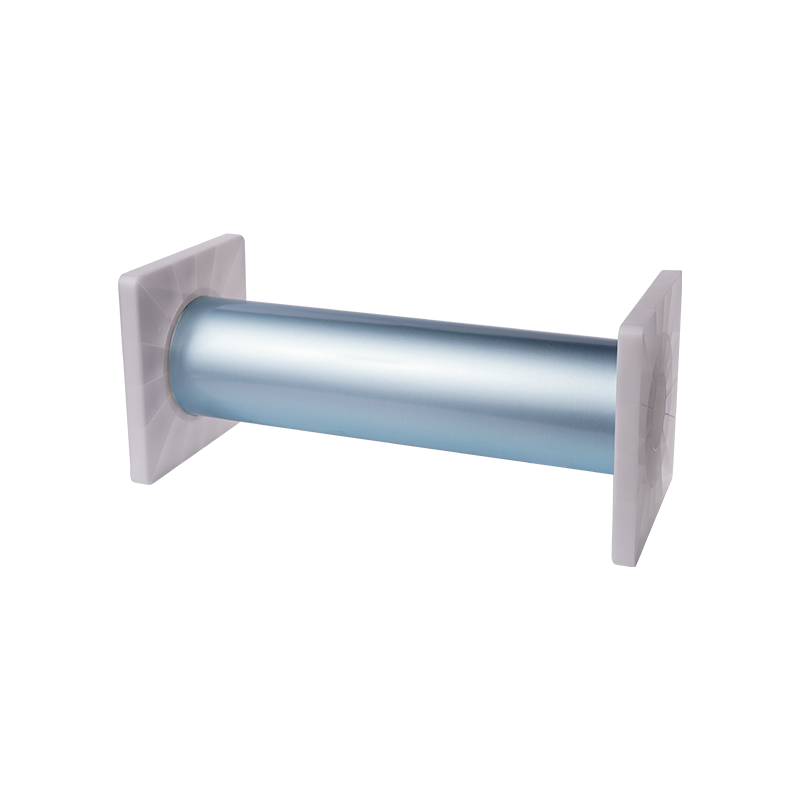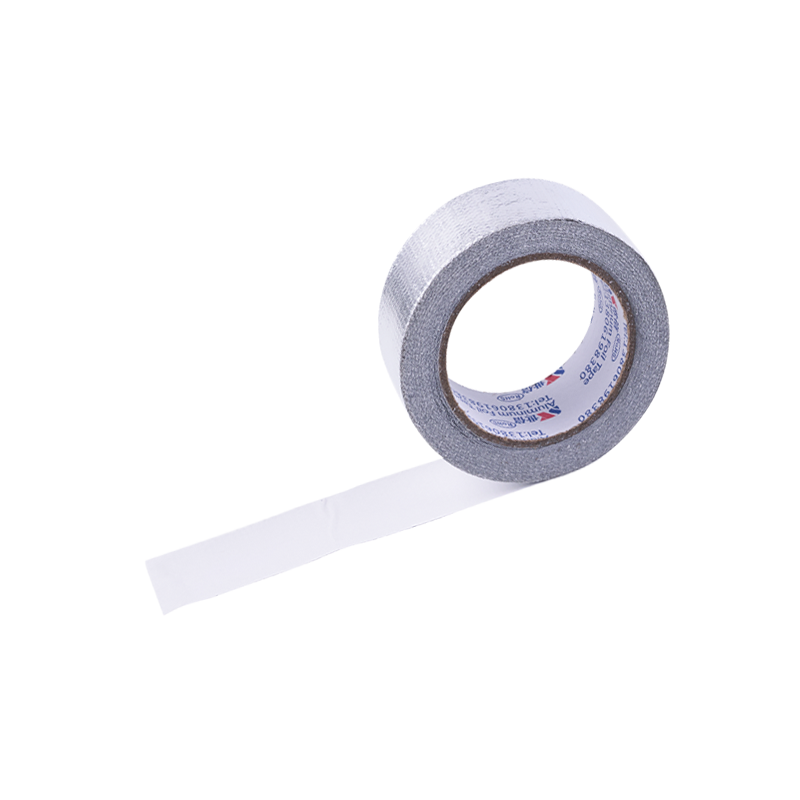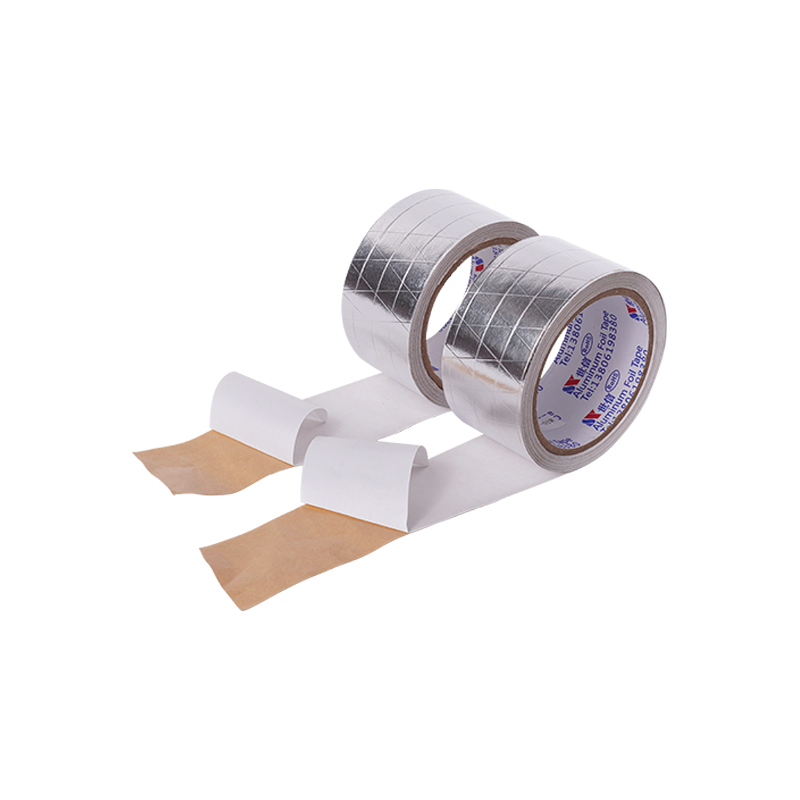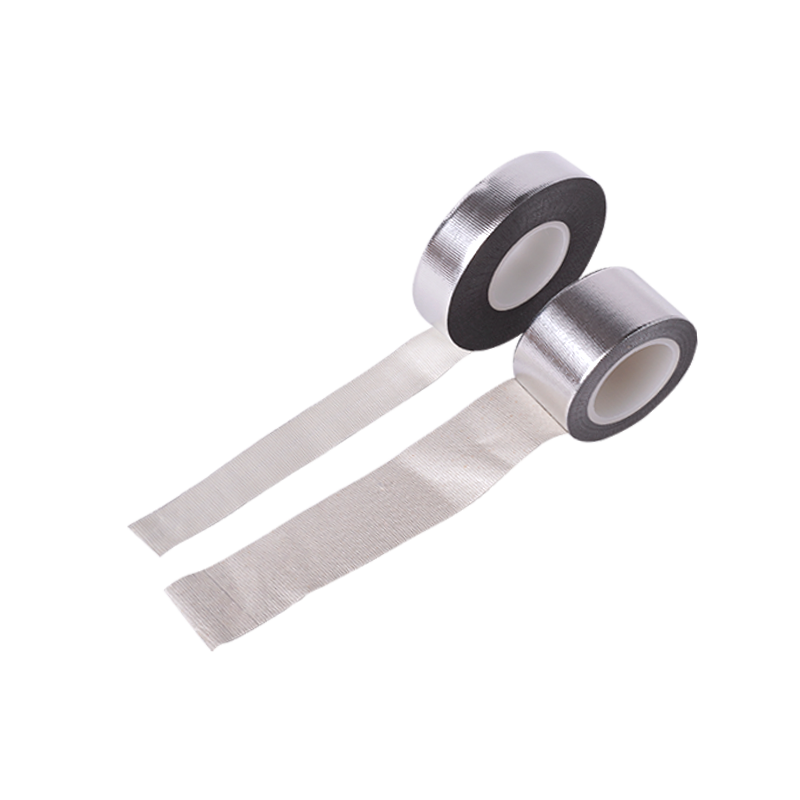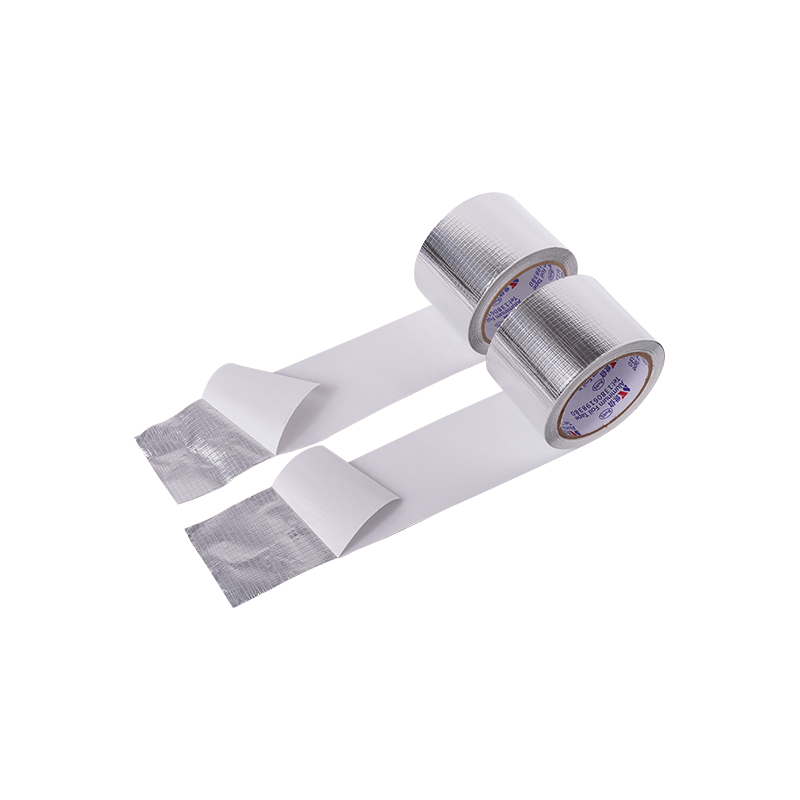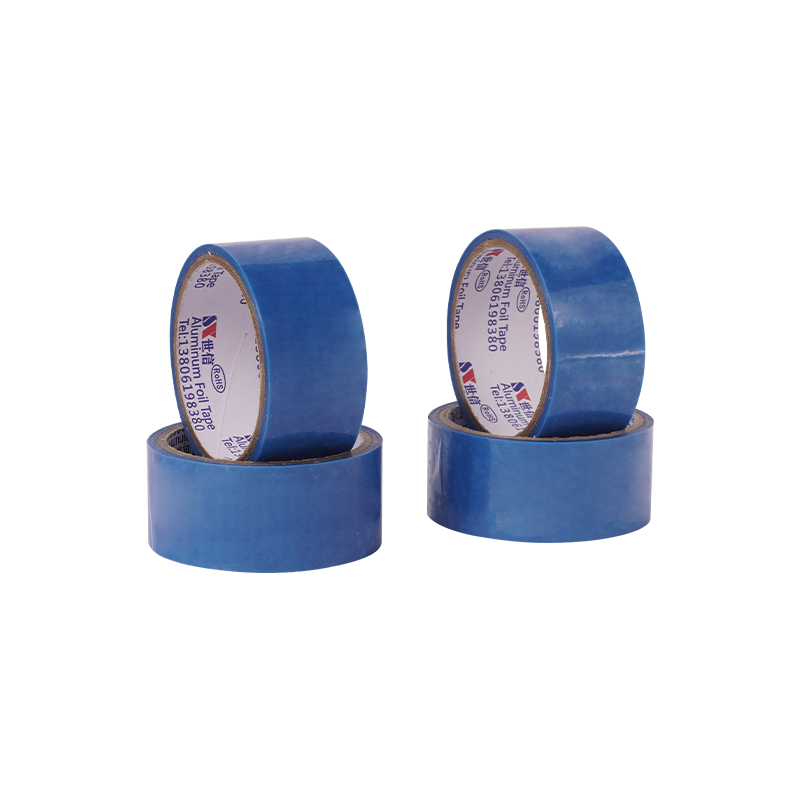
Vysokoteplotná páska z hliníkovej fólie s uvoľňovacou vložkou je priemyselný lepiaci materiál určený pre aplikácie, ktoré vyžadujú spoľahlivé lepenie, tepelnú odolnosť a povrchovú ochranu pri zvýšených teplotách. Skladá sa z troch hlavných vrstiev: podložka z hliníkovej fólie, tepelne odolná lepiaca vrstva a odnímateľná ochranná vrstva, ktorá chráni lepiaci povrch pred aplikáciou.
Kombinácia hliníkovej fólie a vysokovýkonného lepidla poskytuje efektívny odraz tepla, tepelné tienenie, odolnosť proti vlhkosti a mechanickú ochranu. Uvoľňovacia vložka zlepšuje efektivitu manipulácie počas skladovania, rezania a inštalácie, vďaka čomu je vhodná pre priemyselné výrobné procesy, kde sa vyžaduje presná aplikácia a konzistentný výkon.
Výkon hliníkovej fólie závisí od interakcie medzi každou vrstvou. Každý komponent prispieva k celkovej spoľahlivosti pásky v náročných prostrediach.
Pri vysokoteplotných aplikáciách môžu bežné lepiace materiály zaznamenať zníženú pevnosť spoja, starnutie alebo poruchu povrchu. Vysokoteplotná páska z hliníkovej fólie s uvoľňovacou vložkou je navrhnutá tak, aby riešila tieto výzvy prostredníctvom vyváženej štruktúry materiálu.
| Komponent | Hlavná funkcia | Priemyselný prínos |
| Vrstva hliníkovej fólie | Odraz tepla a bariérová ochrana | Podporuje tepelné tienenie a ochranu povrchu |
| Vysokoteplotné lepidlo | Poskytuje pevné a odolné spojenie | Zachováva priľnavosť v náročných prostrediach |
| Uvoľňovacia vložka | Chráni lepidlo pred použitím | Zlepšuje efektívnosť skladovania, manipulácie a spracovania |
Pri výbere vysokoteplotnej hliníkovej fólie s odnímateľnou vložkou pre priemyselné aplikácie výrobcovia zvyčajne vyhodnotia niekoľko technických faktorov, aby zabezpečili kompatibilitu s pracovným prostredím.
| Výkonový faktor | Úvaha |
| Teplotná odolnosť | Páska by si mala zachovať priľnavosť a štrukturálnu stabilitu v rámci požadovaného rozsahu prevádzkových teplôt. |
| Hrúbka fólie | Ovplyvňuje odolnosť, flexibilitu a schopnosť odrážať teplo. |
| Kompatibilita s lepidlom | Určuje spoľahlivosť lepenia na rôznych povrchoch, ako sú kovy, izolačné materiály a priemyselné komponenty. |
| Uvoľňovacia vložka Quality | Ovplyvňuje efektivitu spracovania, výkon odstraňovania vložky a konzistenciu výroby. |
Uvoľňovacia vložka je dôležitou súčasťou riešení hliníkových fóliových pások používaných vo výrobných prostrediach. Bez náležitej ochrany sa na lepených povrchoch môže počas skladovania a prepravy hromadiť prach, stratiť jednotnosť alebo sa môže stať, že sa ťažko spracovávajú.
Dobre navrhnutá snímateľná fólia umožňuje ľahšiu manipuláciu pri rezaní, laminovaní a automatizovaných aplikačných procesoch. Vďaka tomu je páska vhodnejšia pre odvetvia vyžadujúce opakovateľné výrobné operácie a presné umiestnenie materiálu.
Vďaka kombinácii tepelne odolného lepenia, ochrany hliníkovou fóliou a pohodlným spracovateľským vlastnostiam poskytuje vysokoteplotná hliníková fóliová páska s odnímateľnou vložkou spoľahlivé riešenie pre priemyselné aplikácie vyžadujúce tepelný manažment, izolačnú podporu a dlhodobé lepiace vlastnosti.
Vysokoteplotná páska z hliníkovej fólie s odnímateľnou vložkou je navrhnutá tak, aby udržala spoľahlivý výkon pri vystavení zvýšeným teplotám, teplotným výkyvom a náročným priemyselným podmienkam. Na rozdiel od všeobecných adhezívnych materiálov, ktoré môžu pri vystavení teplu zmäknúť, stratiť priľnavosť alebo starnúť, vysokoteplotná hliníková fóliová páska kombinuje tepelne odolný adhezívny systém s hliníkovou fóliou, ktorá poskytuje stabilné spojenie a tepelnú ochranu.
Výkon hliníkovej fólie v prostredí s vysokou teplotou závisí od niekoľkých faktorov, vrátane teplotnej odolnosti lepidla, hrúbky a kvality vrstvy hliníkovej fólie, povrchovej kompatibility a trvania expozície. Pochopenie týchto faktorov pomáha výrobcom vybrať vhodné riešenia pások pre tepelné riadenie, izoláciu a ochranné aplikácie.
Vrstva hliníkovej fólie hrá dôležitú úlohu pri vysokoteplotných aplikáciách. Vďaka svojej kovovej štruktúre poskytuje hliník vynikajúcu schopnosť odrážať teplo a pomáha znižovať dopad sálavého tepla na chránené povrchy.
Lepiaca vrstva určuje, či páska s hliníkovou fóliou dokáže udržať bezpečné spojenie za podmienok nepretržitého alebo prerušovaného zahrievania. V prostredí s vysokou teplotou musí zostať lepidlo stabilné, aby sa zabránilo zdvihnutiu okraja, oddeleniu alebo zníženiu účinnosti tesnenia.
Medzi dôležité faktory účinnosti lepidla patria:
| Výkonový faktor | Vplyv na výkon aplikácie |
| Teplotná odolnosť | Určuje, či si páska dokáže zachovať priľnavosť a štruktúru počas nepretržitého alebo krátkodobého vystavenia teplu. |
| Hrúbka hliníkovej fólie | Ovplyvňuje mechanickú pevnosť, odolnosť, flexibilitu a schopnosť odrážať teplo. |
| Formulácia lepidla | Ovplyvňuje pevnosť spoja, odolnosť proti starnutiu a dlhodobú spoľahlivosť. |
| Aplikačný povrch | Určuje, ako efektívne môže lepidlo vytvoriť stabilný spoj. |
| Doba expozície | Dlhodobé vystavenie teplotám vyžaduje vyššiu stabilitu materiálu v porovnaní s krátkodobými aplikáciami. |
Rôzne riešenia pások z hliníkovej fólie sú navrhnuté pre rôzne pracovné podmienky. Vysokoteplotné verzie sa zameriavajú na udržanie výkonu v prostrediach, kde je rozhodujúca tepelná odolnosť a dlhodobá spoľahlivosť lepenia.
| Funkcia | Vysokoteplotná páska z hliníkovej fólie | Štandardná páska z hliníkovej fólie |
| Vystavenie teplu | Navrhnuté pre prostredia so zvýšenou teplotou s vyššou stabilitou | Vhodné hlavne pre aplikácie s normálnou teplotou |
| Výkon lepidla | Udržuje silnejšie lepenie počas tepelného namáhania | Pri nepretržitom zahrievaní môže dôjsť k zníženej priľnavosti |
| Oblasti použitia | Priemyselná izolácia, tepelná ochrana, elektrické a prístrojové aplikácie | Všeobecné tesnenie, balenie a ochrana povrchu |
| Dlhodobá spoľahlivosť | Navrhnuté pre aplikácie vyžadujúce konzistentný výkon po dlhú dobu | Vhodnejšie do menej náročného prostredia |
Mnohé priemyselné aplikácie zahŕňajú opakované cykly ohrevu a chladenia, a nie konštantnú teplotu. Počas tepelného cyklovania sa materiály rozťahujú a zmršťujú, čo môže vytvárať napätie medzi páskou a lepeným povrchom.
Vysokoteplotná páska z hliníkovej fólie pomáha zvládnuť tieto výzvy prostredníctvom:
Pre priemyselných výrobcov spoľahlivosť materiálu pri zvýšených teplotách priamo ovplyvňuje ochranu zariadenia, stabilitu výroby a požiadavky na údržbu. Vhodné riešenie pásky z hliníkovej fólie by malo nielen odolávať teplu, ale malo by tiež udržiavať pevnosť spoja, štrukturálnu integritu a účinnosť spracovania počas celej životnosti.
Kombináciou tepelne odolného lepiaceho systému, odolnej hliníkovej fólie a dizajnu kontrolovaného materiálu poskytuje vysokoteplotná hliníková fóliová páska s odnímateľnou vložkou spoľahlivý výkon pre aplikácie vyžadujúce tepelnú ochranu, izolačnú podporu a dlhotrvajúcu priľnavosť v náročných prostrediach.
Uvoľňovacia fólia je dôležitou súčasťou vysokoteplotnej hliníkovej fóliovej pásky so snímateľnou fóliou, najmä pre priemyselné aplikácie, ktoré vyžadujú presné spracovanie, čistú inštaláciu a konzistentné lepiace vlastnosti. Zatiaľ čo podložka z hliníkovej fólie a adhézna vrstva poskytujú tepelnú odolnosť a schopnosť lepenia, snímateľná vrstva chráni adhezívny povrch pred použitím a zlepšuje celkovú efektivitu manipulácie počas výrobných procesov.
Pre priemyselných používateľov je snímateľná vrstva nielen ochrannou vrstvou, ale aj kľúčovým faktorom ovplyvňujúcim efektivitu výroby, stabilitu pri skladovaní a presnosť aplikácie. Správne navrhnutá uvoľňovacia vložka pomáha zaistiť, že páska môže byť hladko spracovaná počas rezania, laminovania a automatizovaných montážnych operácií.
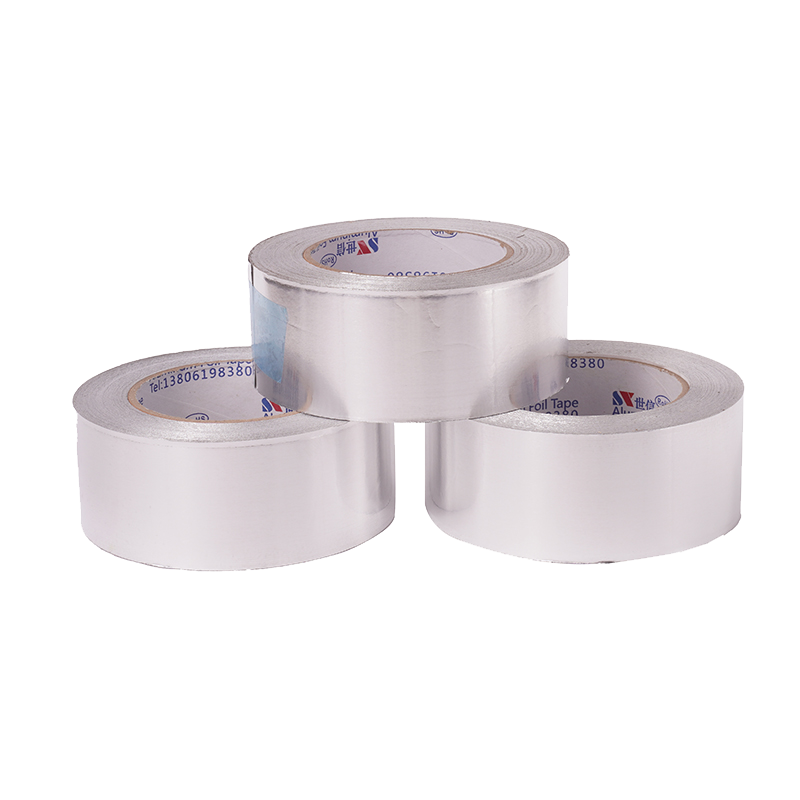
Lepiaca vrstva pásky z hliníkovej fólie je navrhnutá tak, aby poskytovala silné lepiace vlastnosti, ale priame vystavenie pred aplikáciou môže ovplyvniť jej povrch. Prach, vlhkosť a iné nečistoty môžu znižovať kvalitu priľnavosti a vytvárať nezrovnalosti počas inštalácie.
Uvoľňovacia vložka poskytuje dočasnú ochrannú bariéru, ktorá udržuje čistotu a výkon lepidla, kým nie je páska pripravená na použitie.
V prostrediach priemyselnej výroby sa páska z hliníkovej fólie často premieňa na špecifické šírky, tvary alebo vysekávané komponenty. Uvoľňovacia vložka poskytuje dodatočnú podporu počas týchto procesov, čo umožňuje výrobcom efektívnejšie manipulovať s páskou.
Hoci snímateľná vložka nezabezpečuje priamo priľnavosť alebo tepelnú odolnosť, jej kvalita ovplyvňuje, ako efektívne možno pásku skladovať, spracovávať a aplikovať. Rôzne vlastnosti vložky môžu ovplyvniť efektivitu výroby a používateľskú skúsenosť.
| Uvoľňovacia vložka Factor | Vplyv na aplikáciu |
| Sila uvoľnenia | Určuje, ako ľahko sa dá vložka odstrániť bez poškodenia lepiacej vrstvy. |
| Hrúbka vložky | Ovplyvňuje pevnosť pri manipulácii, stabilitu spracovania a kompatibilitu s reznými operáciami. |
| Rovnomernosť povrchu | Pomáha udržiavať konzistentný kontakt s lepiacou vrstvou počas skladovania. |
| Odolnosť proti vlhkosti | Podporuje ochranu lepidla v rôznych skladovacích prostrediach. |
Rôzne priemyselné aplikácie môžu vyžadovať rôzne charakteristiky snímateľnej fólie v závislosti od metód spracovania a pracovných podmienok. Výber vhodnej vložky pomáha výrobcom dosiahnuť lepšiu konzistenciu výroby.
| Požiadavka | Odporúčané charakteristiky uvoľňovacej vložky | Výhoda aplikácie |
| Vysokorýchlostné spracovanie | Stabilná štruktúra vložky s riadeným uvoľňovaním | Podporuje efektívnu automatizovanú výrobu |
| Presné vysekávanie | Dobrá rozmerová stálosť a hladký povrch | Zlepšuje presnosť rezu a konzistenciu komponentov |
| Dlhodobé skladovanie | Spoľahlivá ochrana proti vlhkosti a znečisteniu | Pred použitím udržuje priľnavosť |
| Manuálna inštalácia | Jednoduché odstránenie vložky so stabilnou lepiacou ochranou | Zlepšuje pohodlie pri aplikácii |
Výber medzi páskou z hliníkovej fólie s odnímateľnou vrstvou a páskou bez podložky závisí od zamýšľaného spôsobu aplikácie. Pre priemyselnú výrobu odnímateľná vložka často poskytuje ďalšie výhody pri spracovaní a kontrole kvality.
| Funkcia | S uvoľňovacou vložkou | Bez uvoľňovacej vložky |
| Ochrana lepidla | Poskytuje ochranu pred aplikáciou | Lepiaci povrch zostáva odkrytý |
| Efektívnosť spracovania | Vhodné na rezanie, laminovanie a automatizovanú manipuláciu | Viac obmedzené pre presné spracovanie |
| Stabilita skladovania | Pomáha udržiavať priľnavosť počas skladovania | Vyžaduje starostlivejšie zaobchádzanie |
| Kontrola aplikácií | Umožňuje presné umiestnenie pred lepením | Vyžaduje rýchlejšiu aplikáciu po expozícii |
Výrobcom, ktorí používajú vysokoteplotnú hliníkovú fóliovú pásku v náročných prostrediach, prispieva uvoľňovacia vložka k konzistentnejšiemu spracovaniu a spoľahlivým výsledkom aplikácie. Pomáha znižovať plytvanie materiálom, zlepšuje efektivitu manipulácie a podporuje stabilné výrobné pracovné postupy.
Ochranou adhéznej vrstvy a umožnením presnej aplikácie zvyšuje vysokokvalitná snímateľná vrstva celkovú úžitkovú hodnotu pások z hliníkovej fólie používaných v tepelnej ochrane, izolácii, elektrických aplikáciách a priemyselných montážnych procesoch.
Vysokoteplotná páska z hliníkovej fólie s odnímateľnou vložkou sa široko používa v priemyselných aplikáciách, kde sa vyžaduje tepelná odolnosť, tepelné tienenie, ochrana proti vlhkosti a spoľahlivé lepenie. Vďaka kombinácii hliníkovej fólie, žiaruvzdorného lepidla a ochrannej fólie je vhodný do prostredia so zvýšenými teplotami, tepelným žiarením, izolačnými systémami a náročnými montážnymi procesmi.
Rôzne priemyselné odvetvia používajú pásku z hliníkovej fólie na základe špecifických požiadaviek na výkon. Faktory, ako je prevádzková teplota, povrchový materiál, vplyv prostredia a spôsob spracovania, určujú najvhodnejšiu štruktúru pásky pre každú aplikáciu.
Elektronické zariadenia a elektrické systémy často vyžadujú účinné tepelné riadenie, pretože nadmerné teplo môže ovplyvniť spoľahlivosť komponentov a životnosť. Vysokoteplotná páska z hliníkovej fólie pomáha poskytovať tepelné tienenie, izoláciu a elektromagnetickú ochranu v rôznych elektronických aplikáciách.
Pri elektronických aplikáciách sa výrobcovia zvyčajne zameriavajú na stabilitu lepidla, kompatibilitu izolácie a dlhodobý výkon pri kolísaní teploty.
| Kľúčová požiadavka | Význam v elektronických aplikáciách |
| Tepelná stabilita | Pomáha udržiavať lepiaci výkon, keď komponenty vytvárajú teplo. |
| Tenká a flexibilná štruktúra | Podporuje inštaláciu v obmedzených priestoroch a zložité rozloženie komponentov. |
| Spoľahlivá priľnavosť | Zabraňuje zdvihnutiu alebo oddeleniu počas dlhodobej prevádzky. |
HVAC a izolačné systémy vyžadujú materiály, ktoré dokážu poskytnúť trvalé tesnenie a tepelnú ochranu pri meniacich sa teplotných podmienkach. Vysokoteplotná hliníková fóliová páska sa bežne používa na lepenie izolačnej vrstvy, utesnenie potrubia a aplikácie odrážajúce teplo.
| Aplikačný faktor | Požiadavka na výkon |
| Zmeny teploty | Vyžaduje stabilnú priľnavosť počas opakovaných cyklov zahrievania a chladenia. |
| Kompatibilita s povrchom | Musí sa účinne spájať s izolačnými materiálmi a kovovými povrchmi. |
| Odolnosť voči životnému prostrediu | Mala by odolať vlhkosti, prachu a podmienkam dlhodobého pôsobenia. |
Automobilové systémy často obsahujú oblasti vystavené vysokým teplotám, vibráciám a environmentálnemu stresu. Hliníková fóliová páska sa používa v aplikáciách tepelnej ochrany, kde je dôležité zachovať stabilitu materiálu a zabrániť poškodeniu teplom.
Automobilové aplikácie zvyčajne vyžadujú rovnováhu medzi tepelnou odolnosťou, flexibilitou, odolnosťou voči vibráciám a dlhodobou priľnavosťou.
| Funkcia výkonu | Automobilová požiadavka |
| Tepelná odolnosť | Udržuje výkon v blízkosti komponentov s vysokou teplotou. |
| Mechanická pevnosť | Poskytuje stabilné upevnenie pri vibráciách a pohybe. |
| Trvanlivosť | Podporuje dlhodobé používanie v meniacich sa podmienkach prostredia. |
Batériové systémy a energetické zariadenia vyžadujú efektívny tepelný manažment na zlepšenie prevádzkovej spoľahlivosti. Vysokoteplotná hliníková fóliová páska sa môže použiť ako materiál tepelnej bariéry, izolačná nosná vrstva a ochranné riešenie v aplikáciách súvisiacich s energiou.
Pri výbere vysokoteplotnej hliníkovej fóliovej pásky s odnímateľnou vložkou na priemyselné použitie by mali výrobcovia zhodnotiť celé pracovné prostredie a nie sa zameriavať len na teplotnú odolnosť.
| Faktor výberu | Otázky na zváženie |
| Prevádzková teplota | Aký teplotný rozsah zažije páska počas nepretržitej a krátkodobej expozície? |
| Lepiaci povrch | Bude páska aplikovaná na kov, izolačné materiály, plasty alebo kompozitné povrchy? |
| Spôsob aplikácie | Je páska inštalovaná manuálne alebo spracovaná prostredníctvom automatizovaného výrobného zariadenia? |
| Podmienky prostredia | Bude páska vystavená vlhkosti, vibráciám, chemikáliám alebo opakovaným zmenám teploty? |
Kombinácia tepelne odolného lepidla, ochrany hliníkovou fóliou a pohodlia snímateľnej podložky robí z vysokoteplotnej hliníkovej fóliovej pásky vhodnú pre širokú škálu priemyselných prostredí. Či už sa páska používa na tepelné tienenie, podporu izolácie, elektrickú ochranu alebo montáž zariadenia, poskytuje praktické riešenie tam, kde sa vyžaduje spoľahlivý výkon pri vystavení teplu.
Výberom vhodnej štruktúry pásky podľa teplotného rozsahu, povrchových podmienok a požiadaviek na spracovanie môžu výrobcovia dosiahnuť stabilnejší výkon lepenia a zlepšiť spoľahlivosť svojich finálnych aplikácií.
Výber správnej pásky z vysokoteplotnej hliníkovej fólie s odnímateľnou vložkou si vyžaduje komplexné vyhodnotenie podmienok aplikácie, vrátane vystavenia teplote, lepeného povrchu, spôsobu spracovania a dlhodobých požiadaviek na výkon. Pre priemyselných výrobcov nie je výber vhodnej pásky len o tepelnej odolnosti, ale aj o zabezpečení spoľahlivej priľnavosti, stabilného spracovania a konzistentného výkonu počas celej životnosti.
Rôzne aplikácie môžu vyžadovať rôzne materiálové štruktúry. Páska určená na tepelnú izoláciu môže mať iné požiadavky ako páska používaná na elektrickú ochranu, tepelné tienenie automobilov alebo priemyselnú montáž. Pochopenie kľúčových faktorov výberu pomáha výrobcom dosahovať lepšie výsledky aplikácií a znižovať potenciálne problémy s výkonom.
Teplotná odolnosť je jedným z najdôležitejších faktorov pri výbere hliníkovej fólie do prostredia s vysokou teplotou. Páska si musí zachovať priľnavosť, integritu fólie a celkovú stabilitu v skutočných pracovných podmienkach.
Pri hodnotení teplotného výkonu by výrobcovia mali zvážiť:
| Zohľadnenie teploty | Zameranie na výber | Vplyv aplikácie |
| Nepretržité vystavenie teplu | Stabilný výkon lepidla po dlhú dobu | Pomáha udržiavať dlhodobú spoľahlivosť lepenia |
| Vysoká špičková teplota | Odolnosť voči krátkodobému tepelnému namáhaniu | Znižuje riziko zlyhania lepidla počas teplotných výkyvov |
| Cyklovanie teploty | Flexibilné lepidlo a stabilná štruktúra fólie | Podporuje podmienky opakovanej expanzie a kontrakcie |
Podklad z hliníkovej fólie ovplyvňuje trvanlivosť, pružnosť, schopnosť odrážať teplo a odolnosť voči mechanickému namáhaniu. Rôzne priemyselné aplikácie môžu vyžadovať rôzne úrovne hrúbky fólie v závislosti od požiadaviek na ochranu.
| Hrúbka fólie Selection | Hlavné charakteristiky | Vhodné požiadavky |
| Štruktúra tenkej fólie | Flexibilné a ľahko sa prispôsobia rôznym povrchom | Aplikácie vyžadujúce flexibilitu a detailnú inštaláciu |
| Stredná štruktúra fólie | Vyvážená pružnosť a mechanická pevnosť | Všeobecné aplikácie priemyselnej tepelnej ochrany |
| Hrubšia štruktúra fólie | Vyššia životnosť a silnejší bariérový výkon | Aplikácie vyžadujúce dodatočnú ochranu a odolnosť |
Lepiaca vrstva priamo ovplyvňuje spoľahlivosť pásky z hliníkovej fólie po inštalácii. Aj keď má páska vynikajúcu tepelnú odolnosť, nesprávna povrchová kompatibilita môže znížiť účinnosť lepenia.
Pred výberom pásky by mali výrobcovia posúdiť:
| Stav povrchu | Dôležitá požiadavka na pásku |
| Hladké kovové povrchy | Dobrá počiatočná priľnavosť a stabilný lepiaci výkon |
| Izolačné materiály | Spoľahlivý kontakt s poréznymi alebo štruktúrovanými povrchmi |
| Komplexné priemyselné komponenty | Flexibilné lepidlo na nerovné povrchy |
V prípade priemyselnej výroby výber uvoľňovacej fólie úzko súvisí s efektívnosťou výroby. Vhodná podložka zlepšuje manipuláciu, presnosť rezu a konzistenciu aplikácie.
| Spôsob spracovania | Odporúčané charakteristiky uvoľňovacej vložky |
| Manuálna inštalácia | Jednoduché odstránenie a dobrá ochrana lepidla |
| Presné rezanie | Stabilná štruktúra a rozmerová konzistencia |
| Veľkoobjemová výroba | Spoľahlivý výkon uvoľňovania pre nepretržité spracovanie |
| Požiadavka na aplikáciu | Kľúčové funkcie pásky na zváženie |
| Tepelné tienenie | Kvalita hliníkovej fólie, schopnosť odrážať teplo, teplotná stabilita |
| Izolačné tesnenie | Spoľahlivosť lepidla, odolnosť proti vlhkosti, povrchová kompatibilita |
| Elektrická ochrana | Stabilná priľnavosť, ochranný výkon, dlhodobá životnosť |
| Automobilová tepelná ochrana | Tepelná odolnosť, tolerancia vibrácií, stabilita prostredia |
Výber správnej pásky z vysokoteplotnej hliníkovej fólie s odnímateľnou vložkou pomáha výrobcom dosiahnuť stabilné spojenie, efektívne spracovanie a spoľahlivú ochranu v náročných prostrediach. Najvhodnejšie riešenie pásky by malo zodpovedať skutočnej prevádzkovej teplote, povrchovým podmienkam, požiadavkám na spracovanie a očakávanej životnosti.
Spoločným vyhodnotením štruktúry materiálu, adhézneho výkonu, vlastností hliníkovej fólie a dizajnu uvoľňovacej fólie si priemyselní používatelia môžu vybrať riešenie pásky, ktoré poskytuje konzistentný výkon pre tepelné riadenie, izoláciu a ochranné aplikácie.
Hliníková fóliová páska sa široko používa na tesnenie, izoláciu, tienenie a ochranu povrchu. Nie všetky pásky z hliníkovej fólie sú však navrhnuté pre rovnaké pracovné podmienky. Ak aplikácie zahŕňajú zvýšené teploty, nepretržité vystavenie teplu, tepelné cykly alebo náročné priemyselné prostredia, vysokoteplotná hliníková fóliová páska s odnímateľnou vložkou poskytuje špecializovanejšie riešenie v porovnaní so štandardnou hliníkovou fóliovou páskou.
Hlavný rozdiel spočíva v kombinácii technológie lepenia, stability materiálu a dizajnu spracovania. Vysokoteplotná hliníková fóliová páska je vyvinutá na udržanie spoľahlivého lepiaceho výkonu a štrukturálnej integrity pri vystavení teplu, zatiaľ čo štandardná hliníková fóliová páska je všeobecne určená na utesnenie a ochranu pri bežnej teplote.
Základná štruktúra pásky z hliníkovej fólie zvyčajne obsahuje podložku z hliníkovej fólie a lepiacu vrstvu. Vysokoteplotné verzie pridávajú optimalizované vlastnosti materiálu na zlepšenie výkonu pri tepelnom namáhaní.
| Štruktúrny komponent | Vysokoteplotná páska z hliníkovej fólie | Štandardná páska z hliníkovej fólie |
| Vrstva hliníkovej fólie | Navrhnuté pre stabilný výkon pri vyššom tepelnom a mechanickom namáhaní | Poskytuje základnú bariérovú ochranu a odraz tepla |
| Lepiaca vrstva | Formulované na udržanie pevnosti spojenia počas vystavenia teplu a teplotných zmien | Vhodné pre všeobecné podmienky lepenia a tesnenia |
| Uvoľňovacia vložka | Podporuje presnú manipuláciu, rezanie a priemyselné spracovanie | V závislosti od požiadaviek aplikácie nemusí vždy obsahovať vložku |
Teplotná odolnosť je jedným z najdôležitejších faktorov pri výbere hliníkovej fólie. Vystavenie teplu môže ovplyvniť tok lepidla, pevnosť spojenia a stabilitu materiálu. Vysokoteplotná páska z hliníkovej fólie je navrhnutá tak, aby znížila tieto zmeny výkonu v náročných prostrediach.
| Výkonnostný aspekt | Vysokoteplotná páska z hliníkovej fólie | Štandardná páska z hliníkovej fólie |
| Nepretržité vystavenie teplu | Zachováva stabilnejšiu priľnavosť pri zvýšených teplotách | Vhodnejšie do prostredia s normálnou teplotou |
| Termálna cyklistika | Navrhnuté tak, aby zvládli opakované podmienky zahrievania a chladenia | Môže zaznamenať rýchlejšie zmeny výkonu pri častých zmenách teploty |
| Adhezívne starnutie | Vylepšená odolnosť proti tepelnej degradácii | Viac ovplyvnené dlhodobým vystavením teplu |
Lepiaci systém určuje, či páska z hliníkovej fólie dokáže po inštalácii udržať spoľahlivé spojenie. V priemyselných aplikáciách môže zlyhanie lepidla viesť k izolačným medzerám, oddeleniu materiálu alebo zníženiu výkonu ochrany.
| Vlastnosť lepidla | Vysokoteplotná páska z hliníkovej fólie | Štandardná páska z hliníkovej fólie |
| Tepelná odolnosť | Navrhnuté pre vyššiu tepelnú stabilitu | Určené hlavne pre štandardné prevádzkové podmienky |
| Zachovanie väzby | Udržuje priľnavosť počas dlhšieho vystavenia teplote | Výkon sa môže pri nepretržitom zahrievaní znížiť |
| Prispôsobivosť k životnému prostrediu | Vhodné pre aplikácie zahŕňajúce teplo, vibrácie a zmeny teploty | Vhodnejšie do menej náročného prostredia |
Prostredie aplikácie určuje, či je potrebný výkon pri vysokej teplote. Výber správneho typu pásky pomáha zlepšiť spoľahlivosť a znížiť údržbu spôsobenú poruchou materiálu.
| Oblasť aplikácie | Vysokoteplotná páska z hliníkovej fólie | Štandardná páska z hliníkovej fólie |
| Tepelná ochrana | Vhodné pre tepelné tienenie a vysokoteplotné izolačné aplikácie | Vhodné pre základný odraz tepla a tesnenie |
| Priemyselné zariadenia | Používa sa tam, kde je dôležité vystavenie teplu a dlhodobá spoľahlivosť | Používa sa na všeobecnú ochranu zariadení |
| Elektrické aplikácie | Vhodné pre prostredia vyžadujúce stabilný výkon pri tepelnom zaťažení | Vhodné pre všeobecné požiadavky na balenie a tienenie |
| Automobilové aplikácie | Vhodné do priestorov v blízkosti zdrojov tepla a tepelných bariér | Vhodné pre oblasti ochrany pri nižších teplotách |
Pre výrobcov je ďalším dôležitým faktorom efektívnosť spracovania. Vysokoteplotná páska z hliníkovej fólie s uvoľňovacou vložkou poskytuje dodatočné pohodlie počas výroby, najmä ak sa vyžaduje presné rezanie, polohovanie alebo automatizovaná aplikácia.
| Faktor spracovania | S uvoľňovacou vložkou | Bez uvoľňovacej vložky |
| Ochrana lepidla | Chránené pred inštaláciou | Vyžaduje starostlivejšie zaobchádzanie |
| Vysekávanie | Poskytuje lepšiu podporu pri precíznom spracovaní | Náročnejšie pre zložité tvary |
| Správa úložiska | Pomáha udržiavať konzistenciu materiálu | Vyžaduje prísnejšie podmienky skladovania |
Výber by mal byť založený skôr na skutočnom operačnom prostredí než len na vzhľade pásky. Vysokoteplotná páska z hliníkovej fólie sa odporúča, keď aplikácie zahŕňajú nepretržité vystavenie teplu, tepelné cykly alebo prísne požiadavky na spoľahlivosť.
Vysokoteplotná páska z hliníkovej fólie s odnímateľnou vložkou poskytuje zvýšený výkon pre priemyselné aplikácie, kde sa vyžaduje tepelná odolnosť, stabilná priľnavosť a efektívne spracovanie. V porovnaní so štandardnou páskou z hliníkovej fólie ponúka lepšiu vhodnosť pre náročné prostredia zahŕňajúce tepelné vystavenie, teplotné zmeny a požiadavky na dlhodobú spoľahlivosť.
Vyhodnotením teplotných podmienok, výkonu lepidla, aplikačných metód a potrieb spracovania si výrobcovia môžu vybrať najvhodnejšie riešenie pásky z hliníkovej fólie pre ich špecifické priemyselné požiadavky.
Naša spoločnosť sa venuje priemyslu výroby pásky už viac ako 20 rokov a zameriava sa na rôzne Typy hliníkových fólových pások, penových pások, chladničiek atď.
Telefón: +86-159-5136-0053
+86-136-6515-8108
Whatsapp +86-159-5136-0053
Adresa: Č. 1, Yedong Road, západne od Yingbin Avenue, zóna hospodárskeho rozvoja, Suqian City, provincia Jiangsu, Čína
Miya miao
E -mail: [email protected]
Mobile/WhatsApp: 0086 19033791110
Copyright © Jiangsu Shixin Adhesive Tape Products Co., Ltd. All Rights Reserved. Vlastné výrobcovia lepidiel na chladničku ODM