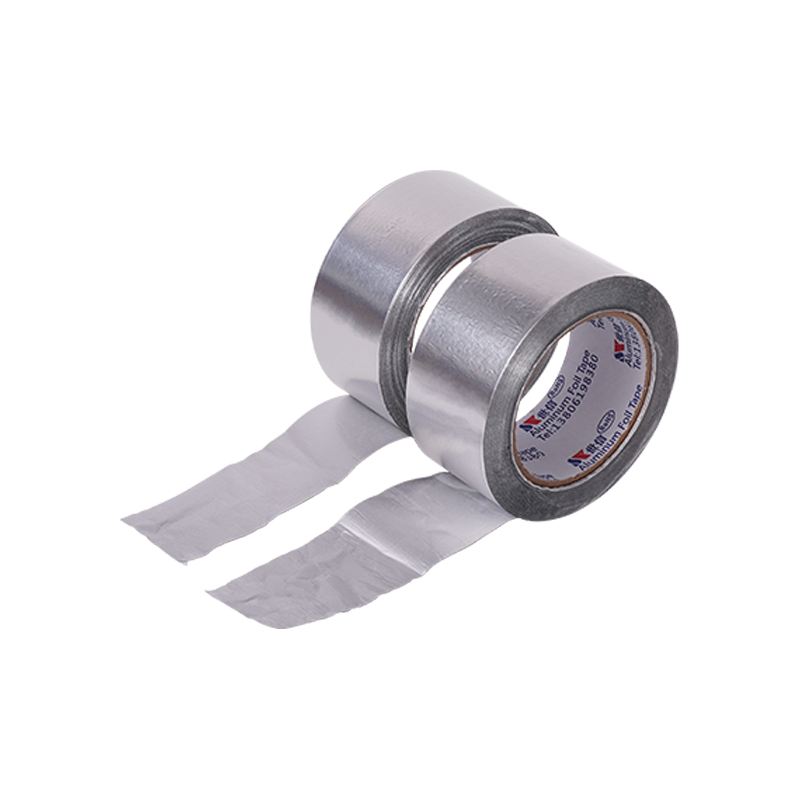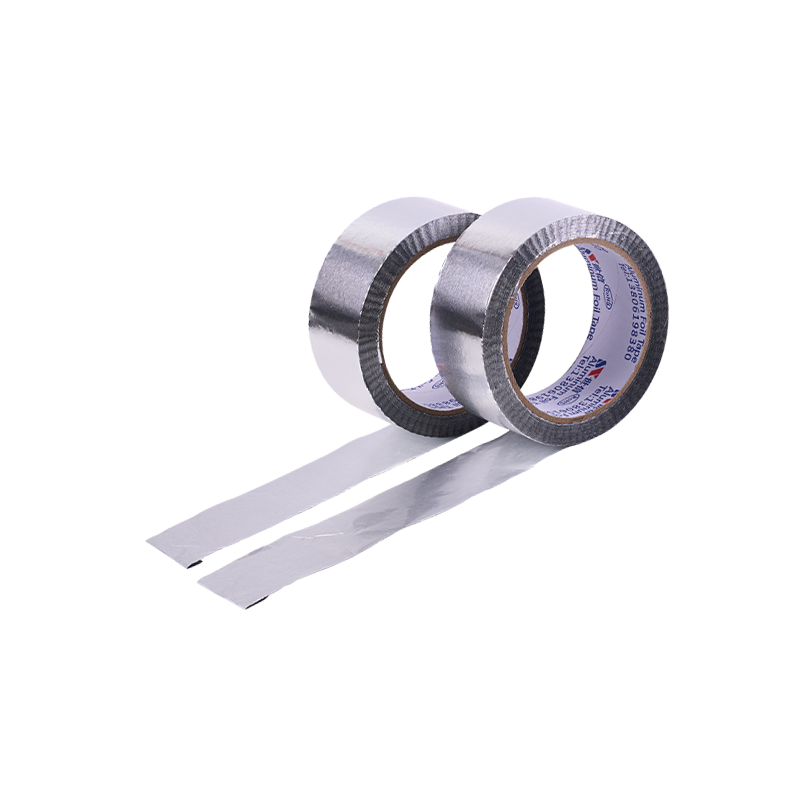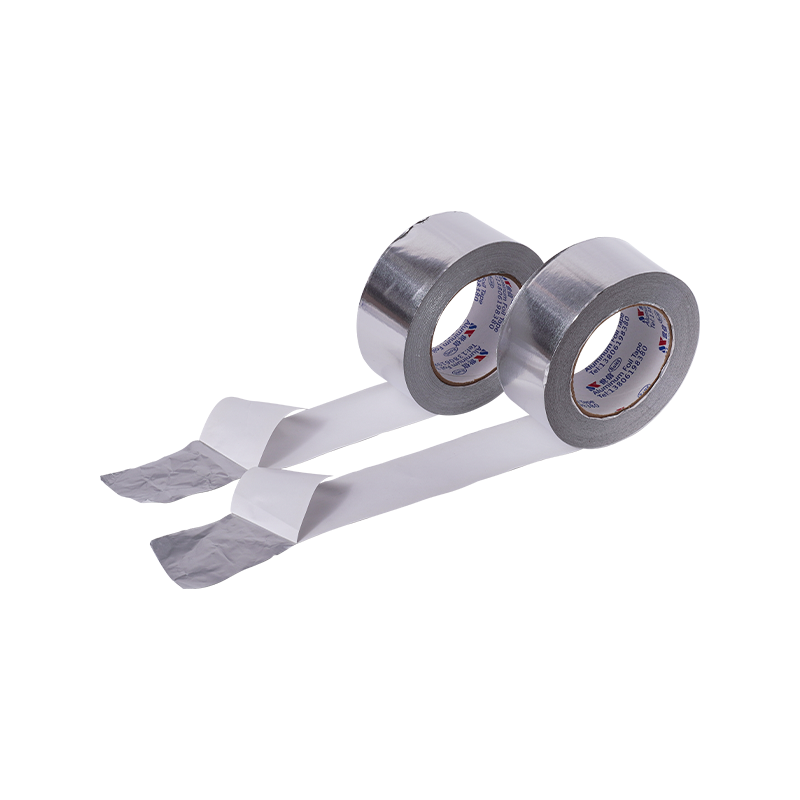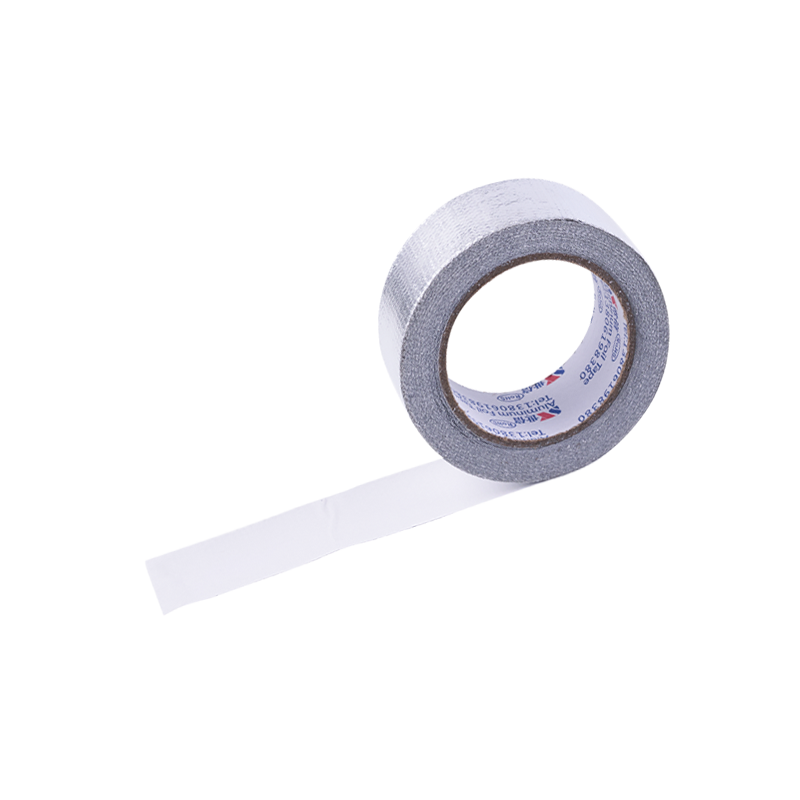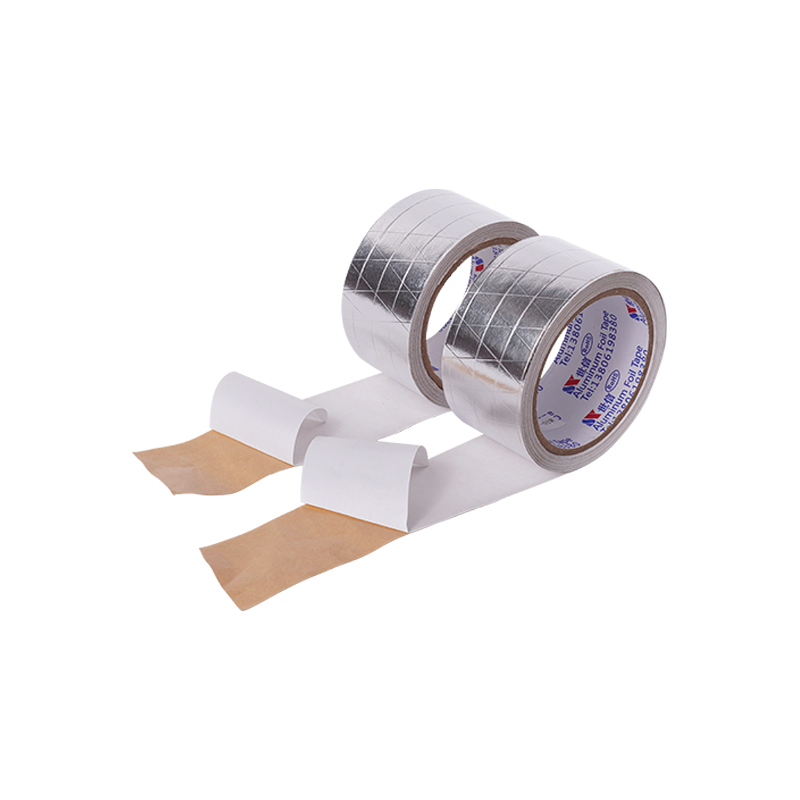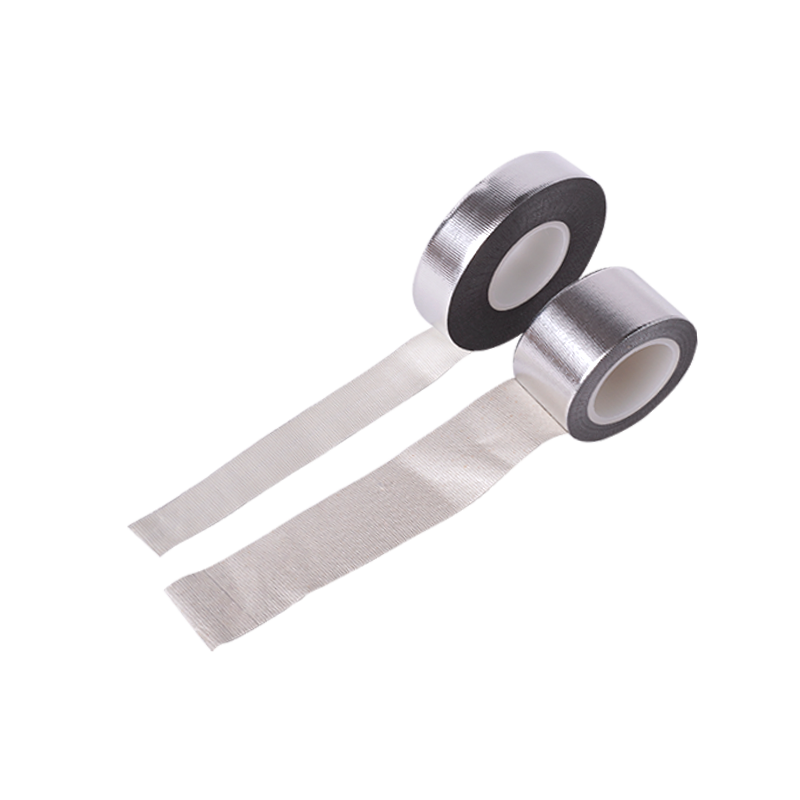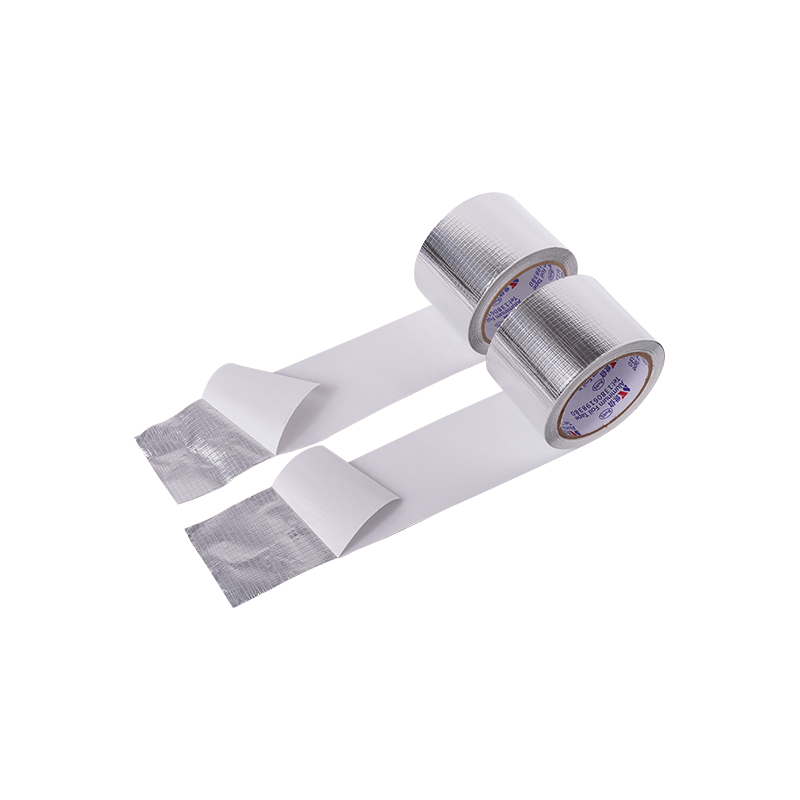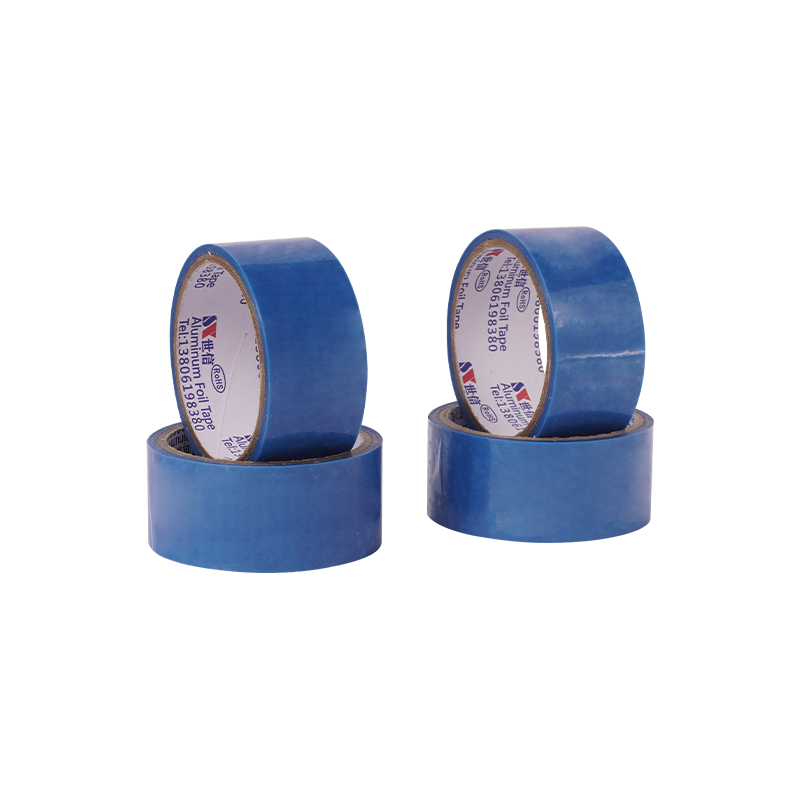
Jednostranná tepelne odolná fóliová páska hrá rozhodujúcu úlohu v modernej údržbe HVAC, pretože kombinuje tepelnú odolnosť, tesniaci výkon a dlhodobú životnosť. Systémy HVAC fungujú pri meniacich sa teplotách, vystavení vlhkosti a konštantnému prúdeniu vzduchu, vďaka čomu sú spoľahlivé tesniace materiály nevyhnutné.
Pri bežných páskach často dochádza k rozpadu lepidla, keď sú vystavené teplu a vlhkosti. V priebehu času sa môže podkladový materiál zmrštiť, prasknúť alebo stratiť priľnavosť, čo vedie k opakovaným opravám.
| Faktor | Konvenčná páska | Fóliová páska |
| Tepelná odolnosť | Nízka | Vysoká |
| Odolnosť proti vlhkosti | Mierne | Výborne |
| Životnosť | Krátke | Dlhé |
| Nehnuteľnosť | Typická hodnota |
| Prevádzková teplota | -20 °C až 120 °C |
| Krátke-Term Resistance | 150 °C až 180 °C |
| Sila priľnavosti | 8–18 N/25 mm |
Poskytnutím spoľahlivého tesniaceho výkonu v náročných prevádzkových podmienkach pomáha jednostranná tepelne odolná fóliová páska systémom HVAC udržiavať účinnosť, znižovať straty energie a predlžovať životnosť.
Výkonnosť jednostranná tepelne odolná fóliová páska závisí od niekoľkých technických vlastností, ktoré priamo ovplyvňujú spoľahlivosť jeho tesnenia, životnosť a vhodnosť na opravy HVAC. Keďže systémy HVAC zažívajú nepretržité kolísanie teploty, vystavenie vlhkosti, tlaku prúdenia vzduchu a vibráciám, výber pásky výlučne na základe vzhľadu alebo hrúbky môže viesť k predčasnému zlyhaniu.
Pochopenie kľúčových faktorov výkonu umožňuje inžinierom, dodávateľom a technikom údržby vybrať pásku, ktorá poskytuje stabilný dlhodobý výkon v náročných prevádzkových podmienkach.
Teplotná odolnosť je jednou z najdôležitejších charakteristík fóliovej pásky HVAC. Lepidlo si musí zachovať pevnosť spojenia počas cyklov zahrievania aj chladenia bez zmäknutia, praskania alebo straty priľnavosti.
| Vlastnosť teploty | Typický rozsah |
| Teplota aplikácie | 5 °C až 40 °C |
| Prevádzková teplota | -20 °C až 120 °C |
| Krátke-Term Heat Resistance | 150 °C až 180 °C |
Sila priľnavosti určuje schopnosť pásky zostať pripevnená ku kovovým kanálom, izolačným obkladom a povrchom zariadení HVAC. Silná priľnavosť zabraňuje úniku vzduchu a znižuje riziko nadvihnutia hrán v priebehu času.
| Vlastnosť priľnavosti | Typická hodnota |
| Odlupovacia priľnavosť | 8–18 N/25 mm |
| Holding Power | Vysoká |
| Initial Tack | Dobré až vynikajúce |
Systémy HVAC často zaznamenávajú kondenzáciu a vlhkosť. Prenikanie vlhkosti môže poškodiť izolačné materiály a znížiť energetickú účinnosť. Hliníková fólia pôsobí ako účinná parozábrana, ktorá pomáha predchádzať prestupu vodnej pary.
Dobrá odolnosť proti vlhkosti je obzvlášť dôležitá v chladiacich kanáloch, chladiacich systémoch a prostrediach s vysokou vlhkosťou.
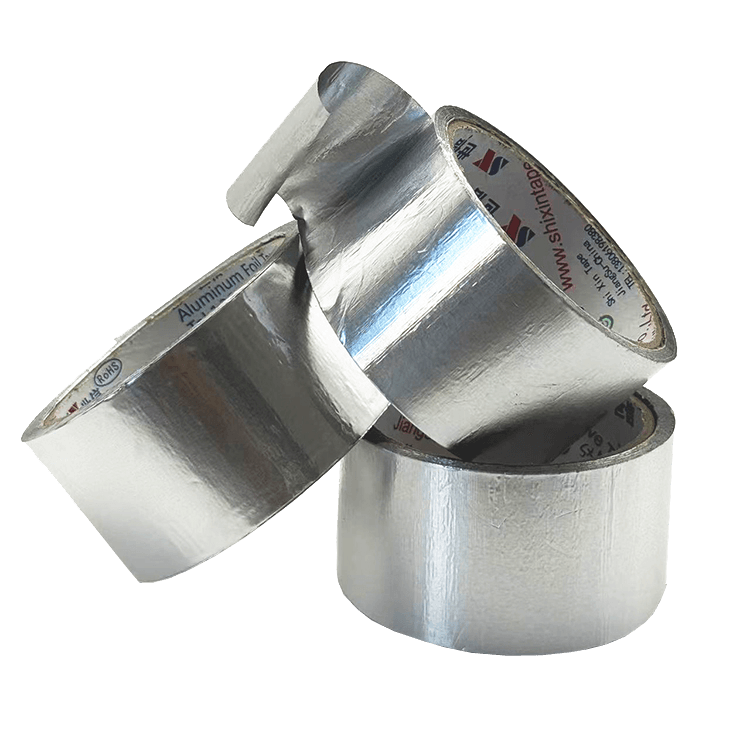
Fóliová páska musí vydržať manipuláciu počas inštalácie, ako aj dlhodobé mechanické namáhanie spôsobené vibráciami prúdiaceho vzduchu a pohybom potrubia. Vyššia pevnosť v ťahu pomáha predchádzať roztrhnutiu a zachováva celistvosť tesnenia.
| Mechanická vlastnosť | Typická hodnota |
| Pevnosť v ťahu | 40–80 N/25 mm |
| Predĺženie | 3 % – 8 % |
| Odolnosť proti roztrhnutiu | Dobre |
Hrúbka pásky ovplyvňuje trvanlivosť, manipuláciu a tesniaci výkon. Hrubšie konštrukcie vo všeobecnosti ponúkajú väčšiu mechanickú pevnosť, zatiaľ čo tenšie pásky sa môžu lepšie prispôsobiť nepravidelným povrchom.
| Celková hrúbka | Typická aplikácia |
| 70-90 μm | Ľahké tesnenie |
| 90-120 μm | Všeobecná oprava HVAC |
| 120-150 μm | Ťažké aplikácie |
Dlhodobé vystavenie teplu, kyslíku, vlhkosti a kontaminantom prostredia môže postupne degradovať lepiace systémy. Tepelne odolné fóliové pásky sú navrhnuté tak, aby odolávali starnutiu, čím pomáhajú zachovať ich tesniace vlastnosti počas dlhšej doby používania.
Pri hodnotení tepelne odolnej fóliovej pásky na opravu HVAC by sa mala brať do úvahy teplotná odolnosť, priľnavosť, ochrana proti vlhkosti, mechanická pevnosť a stabilita proti starnutiu. Vyvážená kombinácia týchto vlastností poskytuje spoľahlivý tesniaci výkon a pomáha zabezpečiť dlhodobú účinnosť systému.
Jednostranná tepelne odolná fóliová páska je široko používaná v systémoch HVAC, pretože poskytuje spoľahlivé tesnenie, tepelnú odolnosť a ochranu proti vlhkosti. Od obytných vzduchových potrubí až po veľké komerčné ventilačné systémy, páska slúži viacerým funkciám, ktoré pomáhajú udržiavať účinnosť systému a predlžujú životnosť zariadenia.
Vďaka svojej schopnosti priľnúť ku kovovým povrchom, izolačným obkladom a rôznym stavebným materiálom je vhodný ako pre nové inštalácie, tak aj pre údržbové opravy.
Jednou z najbežnejších aplikácií je utesnenie pozdĺžnych a priečnych spojov potrubí. Únik vzduchu v spojoch potrubia môže znížiť účinnosť prúdenia vzduchu a zvýšiť spotrebu energie.
| Oblasť aplikácie | Hlavná funkcia |
| Rovné potrubné švy | Vzduchové tesnenie |
| Spoje kĺbov | Prevencia úniku |
| Potrubné prechody | Tesnenie medzier |
Poškodené izolačné kryty môžu vystaviť potrubia vlhkosti, tepelným stratám a kondenzácii. Fóliová páska sa často používa na opravu izolačných plášťov a obnovenie výkonu parozábrany.
Správne utesnenie spojov izolácie pomáha udržiavať tepelnú účinnosť a znižuje riziko poškodenia kondenzáciou.
Flexibilné potrubia sa bežne používajú v obytných systémoch HVAC. V priebehu času môžu vibrácie, pohyb a starnutie vytvoriť malé otvory alebo poškodené časti, ktoré si vyžadujú opravu.
| Oblasť opravy | Typická požiadavka |
| Poškodenie vonkajšej bundy | Ochrana proti vlhkosti |
| Malé slzy | Vzduchové tesnenie |
| Vystuženie kĺbov | Mechanická stabilita |
Zariadenia HVAC, ako sú klimatizačné jednotky, ventilačné jednotky a vykurovacie zariadenia, často obsahujú kovové kryty, ktoré vyžadujú utesnenie okolo prístupových panelov a spojov.
Zadná strana z hliníkovej fólie tiež poskytuje dodatočnú odolnosť voči teplu a vplyvu prostredia okolo povrchov zariadenia.
V chladiacich systémoch často dochádza ku kondenzácii v dôsledku teplotných rozdielov medzi povrchmi zariadenia a okolitým vzduchom. Fóliová páska pomáha vytvárať účinnú bariéru proti vlhkosti.
| Typ systému | Primárny úžitok |
| Chladiace kanály | Kontrola kondenzácie |
| Chladiace linky | Parotesné tesnenie |
| Izolované potrubie | Ochrana proti vlhkosti |
Prevádzkové podmienky systémov HVAC sa líšia v závislosti od typu budovy. Tepelne odolná fóliová páska sa používa vo viacerých prostrediach kvôli jej všestrannosti a dlhodobému výkonu.
| Prostredie aplikácie | Typické použitie |
| Obytné budovy | Oprava potrubí a izolácie |
| Obchodné budovy | Systémy distribúcie vzduchu |
| Priemyselné zariadenia | Vysoká-temperature equipment sealing |
Pretože systémy HVAC fungujú pri rôznych teplotách, úrovniach vlhkosti a podmienkach prúdenia vzduchu, spoľahlivý tesniaci materiál je nevyhnutný. Jednostranná tepelne odolná fóliová páska poskytuje efektívne riešenie na opravu potrubia, údržbu izolácie, utesnenie zariadenia a ochranu pred vlhkosťou, čím pomáha udržiavať efektívnosť systému a dlhodobý prevádzkový výkon.
Účinnosť HVAC závisí od schopnosti systému dodávať upravený vzduch s minimálnou stratou energie. Aj malé netesnosti, poškodená izolácia alebo prenikanie vlhkosti môžu znížiť výkon a zvýšiť prevádzkové náklady. Tepelne odolná fóliová páska pomáha zlepšiť celkovú účinnosť systému tým, že poskytuje odolné tesnenie, tepelnú ochranu a dlhodobú spoľahlivosť.
Udržiavaním vzduchotesných spojov a ochranou izolačných systémov páska prispieva k stabilnému prúdeniu vzduchu, nižšej spotrebe energie a zlepšenému výkonu zariadenia.
Únik vzduchu je jednou z najčastejších príčin straty energie HVAC. Medzery vo švíkoch, spojoch a spojoch potrubia umožňujú úniku upraveného vzduchu skôr, ako sa dostane do obývaných priestorov.
| Stav systému | Potenciálny výsledok |
| Neutesnené spoje potrubia | Zvyšuje sa únik vzduchu |
| Slabé tesnenie izolácie | Dochádza k strate energie |
| Správne utesnenie fóliovou páskou | Zlepšená účinnosť prúdenia vzduchu |
Izolačné systémy sú navrhnuté tak, aby minimalizovali prenos tepla. Poškodené parozábrany alebo otvorené švy môžu znížiť účinnosť izolácie a zvýšiť tepelné straty.
Reflexný hliníkový povrch tiež pomáha znižovať prenos sálavého tepla v určitých aplikáciách HVAC.
Kondenzácia môže poškodiť izolačné materiály, podporiť koróziu a znížiť účinnosť HVAC. Fóliová páska vytvára súvislú parozábranu, ktorá pomáha predchádzať prenikaniu vlhkosti.
| Problém s vlhkosťou | Potenciálny vplyv |
| Hromadenie kondenzácie | Poškodenie izolácie |
| Prenikanie vlhkosti | Znížená tepelná účinnosť |
| Vývoj korózie | Krátkeer equipment life |
Keď potrubné systémy stratia vzduch alebo sa zníži izolačný výkon, zariadenie HVAC musí pracovať dlhšie, aby sa udržala požadovaná vnútorná teplota. Efektívne tesnenie znižuje zbytočnú spotrebu energie.
| Faktor účinnosti | úžitok |
| Znížený únik vzduchu | Nízkaer energy demand |
| Vylepšené tesnenie izolácie | Lepšia tepelná retencia |
| Ochrana proti vlhkosti | Stabilný izolačný výkon |
Komponenty HVAC pracujú pri nepretržitom mechanickom a tepelnom namáhaní. Nadmerné tepelné straty, vystavenie vlhkosti a neefektívnosť systému môžu zvýšiť opotrebovanie zariadenia.
Nižšie prevádzkové namáhanie môže prispieť k dlhším intervalom údržby a zníženiu frekvencie opráv.
Očakáva sa, že systémy HVAC budú poskytovať stabilný výkon po mnoho rokov. Spoľahlivé tesniace materiály pomáhajú udržiavať účinnosť systému počas meniacich sa podmienok prostredia a opakovaných cyklov zahrievania a chladenia.
| Oblasť výkonu | Príspevok fóliovej pásky |
| Účinnosť prúdenia vzduchu | Prevencia úniku |
| Tepelný výkon | Ochrana izolácie |
| Kontrola vlhkosti | Tesnenie parotesnej zábrany |
| Spoľahlivosť zariadenia | Znížený prevádzkový stres |
Tepelne odolná fóliová páska, ktorá znižuje únik vzduchu, chráni izolačné systémy, kontroluje vlhkosť a udržiava stabilný tesniaci výkon, hrá dôležitú úlohu pri zlepšovaní účinnosti HVAC. Jeho prínos presahuje rámec jednoduchých opráv, pomáha systémom HVAC fungovať efektívnejšie, pričom znižuje energetické straty a podporuje dlhodobú spoľahlivosť.
Výkonnosť heat-resistant foil tape depends not only on the product itself but also on proper selection and installation practices. Incorrect application can reduce adhesion, shorten service life, and compromise sealing performance. By understanding the operating environment and following appropriate installation procedures, HVAC technicians can achieve reliable and long-lasting repairs.
Pred výberom a aplikáciou fóliovej pásky by sa malo zvážiť niekoľko faktorov, vrátane teploty, stavu povrchu, tlaku a vplyvu prostredia.
Rôzne aplikácie HVAC môžu vyžadovať rôzne konštrukcie pásky. Hrúbka, teplotná odolnosť a adhézne vlastnosti by mali zodpovedať prevádzkovým podmienkam systému.
| Faktor výberu | Odporúčaná úvaha |
| Prevádzková teplota | Zodpovedajte očakávanej prevádzkovej teplote. |
| Vystavenie vlhkosti | Zvoľte silné parotesné vlastnosti. |
| Mechanický stres | Zvoľte vyššiu pevnosť v ťahu. |
| Typ povrchu | Zvážte kovové, izolačné alebo kompozitné povrchy. |
| Oblasť aplikácie | Vyberte si vhodnú hrúbku a šírku. |
Správna príprava povrchu je nevyhnutná pre dosiahnutie maximálnej priľnavosti. Kontaminanty môžu výrazne znížiť výkon lepenia a viesť k predčasnému zlyhaniu.
Čisté kovové povrchy vo všeobecnosti poskytujú najvyššiu pevnosť spojenia a dlhodobú spoľahlivosť.
Konzistentný tlak a správne umiestnenie pomáhajú vytvoriť bezpečné tesnenie. Vzduchové bubliny, záhyby alebo nedostatočný kontakt môžu znížiť účinnosť tesnenia.
| Aplikačná prax | Očakávaný výsledok |
| Rovnomerný tlak | Zlepšená priľnavosť |
| Hladká aplikácia | Lepší tesniaci výkon |
| Správne prekrytie | Znížené riziko úniku |
Vlastnosti lepidla môžu ovplyvniť podmienky prostredia počas inštalácie. Extrémne chladné alebo vlhké podmienky môžu znížiť počiatočnú lepivosť a pevnosť spoja.
| Inštalačná podmienka | Odporúčaný rozsah |
| Teplota aplikácie | 5 °C až 40 °C |
| Stav povrchu | Vyčistite a vysušte |
| Relatívna vlhkosť | Mierne conditions preferred |
| Aplikácia tlaku | Pevný manuálny tlak |
Mnohé zlyhania tesnenia sú spôsobené skôr nesprávnou inštaláciou ako chybami materiálu. Pochopenie bežných chýb pomáha zlepšiť kvalitu opravy.
Starostlivá inštalácia môže výrazne zlepšiť výkon tesnenia a životnosť.
Správne skladovacie podmienky pomáhajú zachovať vlastnosti lepidla pred inštaláciou. Nadmerné teplo, vlhkosť alebo priame slnečné svetlo môže časom ovplyvniť materiál.
| Skladovací faktor | Odporúčanie |
| Skladovacia teplota | 15 °C až 30 °C |
| Úroveň vlhkosti | Suché prostredie |
| Vystavenie slnečnému žiareniu | Vyhnite sa priamemu slnečnému žiareniu |
| Skladovacia poloha | Rolky uchovávajte v originálnom balení |
Pravidelná kontrola opravených oblastí môže pomôcť identifikovať akékoľvek známky zdvíhania hrán, mechanického poškodenia alebo opotrebovania vplyvom prostredia skôr, ako sa objavia väčšie problémy.
Správny výber pásky, starostlivá príprava povrchu a správne techniky inštalácie sú nevyhnutné na dosiahnutie spoľahlivých opráv HVAC. Pri správnom použití môže jednostranná tepelne odolná fóliová páska poskytnúť trvanlivý tesniaci výkon, zlepšiť účinnosť systému a podporiť dlhodobú prevádzku zariadení HVAC.
Naša spoločnosť sa venuje priemyslu výroby pásky už viac ako 20 rokov a zameriava sa na rôzne Typy hliníkových fólových pások, penových pások, chladničiek atď.
Telefón: +86-159-5136-0053
+86-136-6515-8108
Whatsapp +86-159-5136-0053
Adresa: Č. 1, Yedong Road, západne od Yingbin Avenue, zóna hospodárskeho rozvoja, Suqian City, provincia Jiangsu, Čína
Miya miao
E -mail: [email protected]
Mobile/WhatsApp: 0086 19033791110
Copyright © Jiangsu Shixin Adhesive Tape Products Co., Ltd. All Rights Reserved. Vlastné výrobcovia lepidiel na chladničku ODM