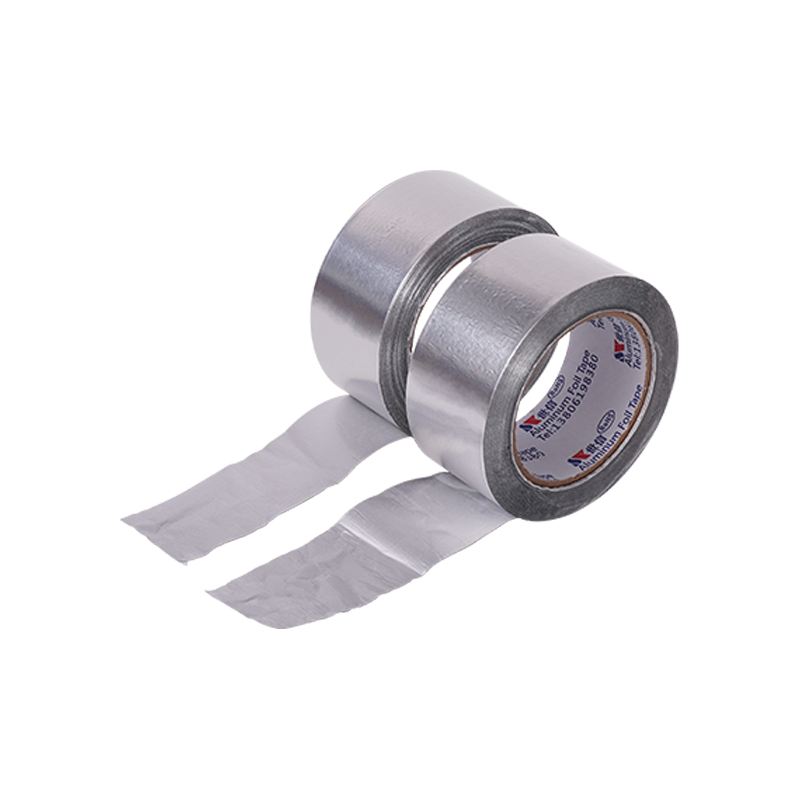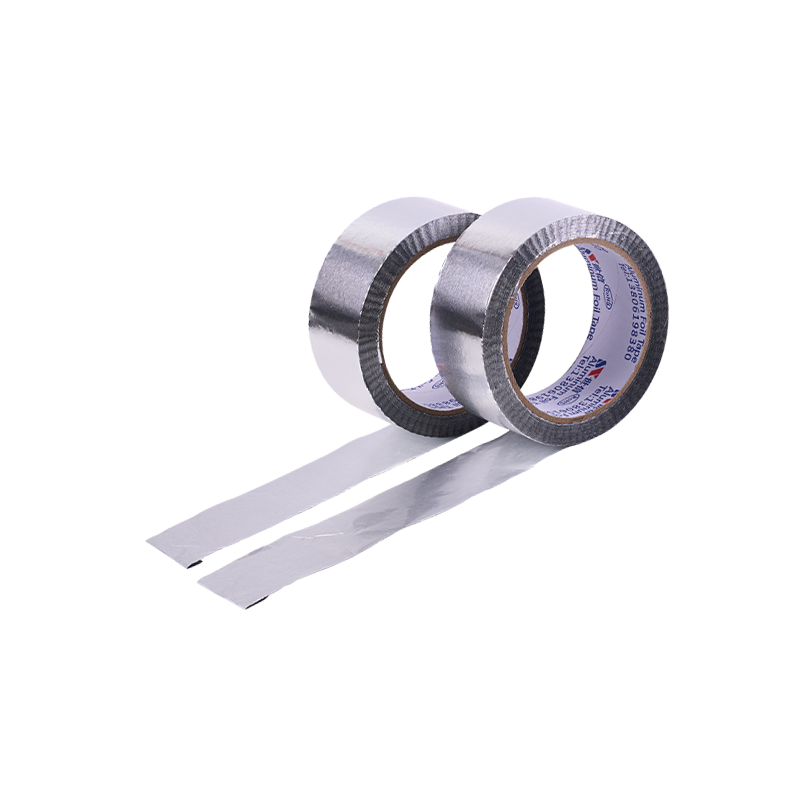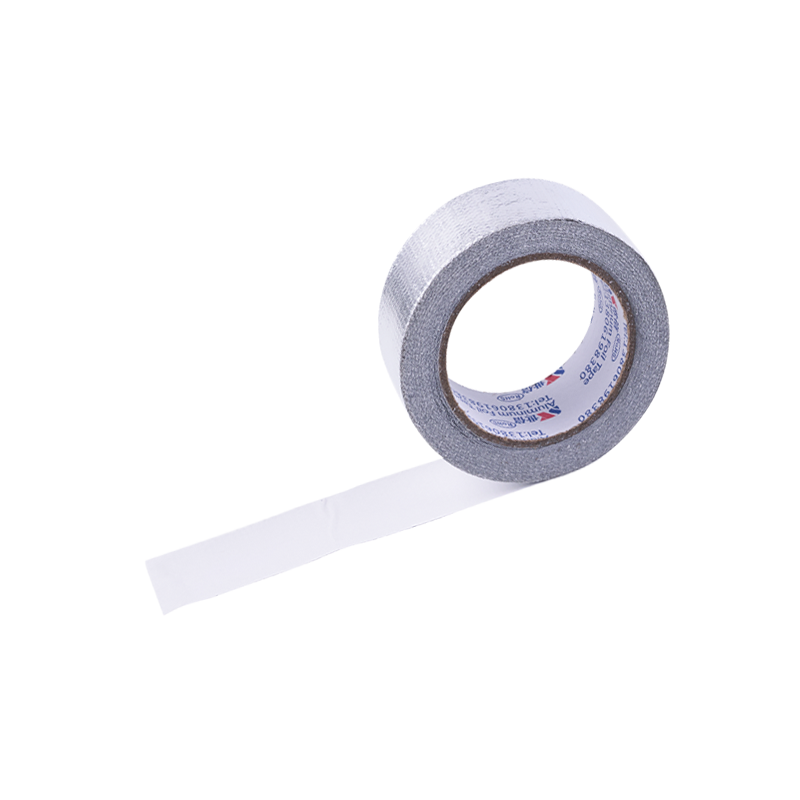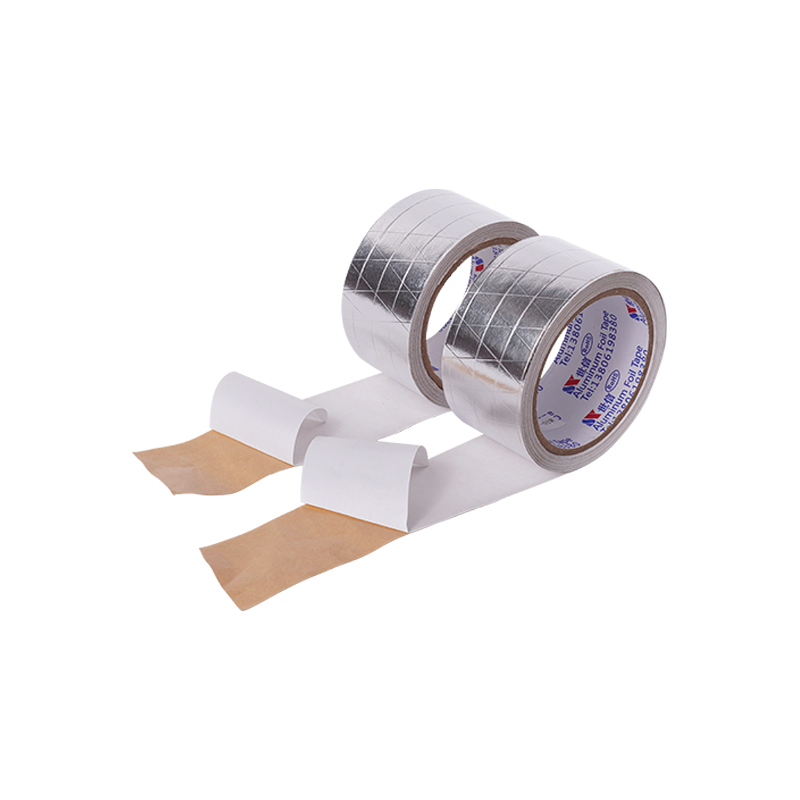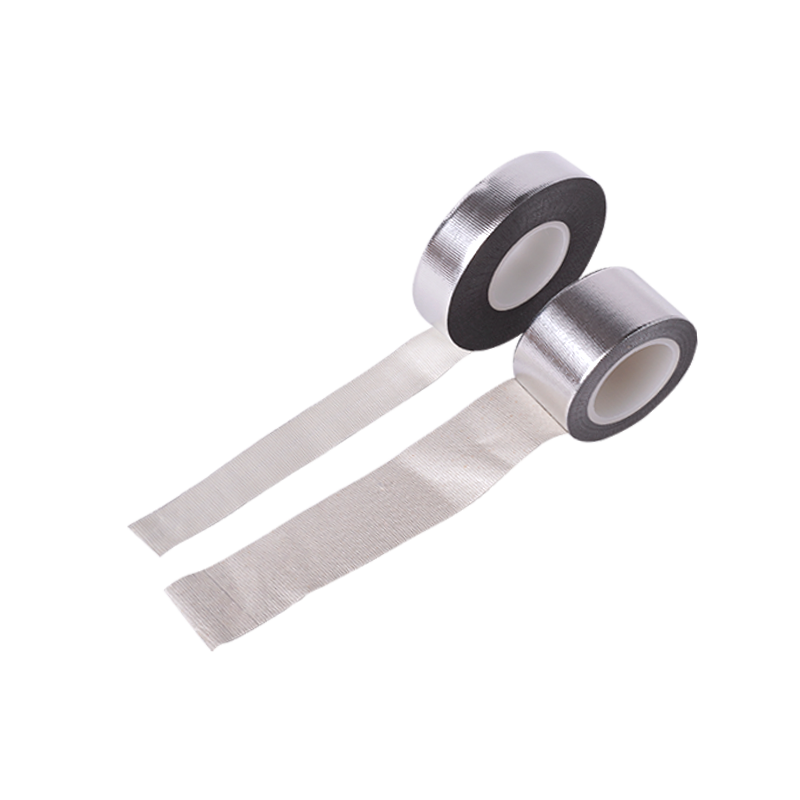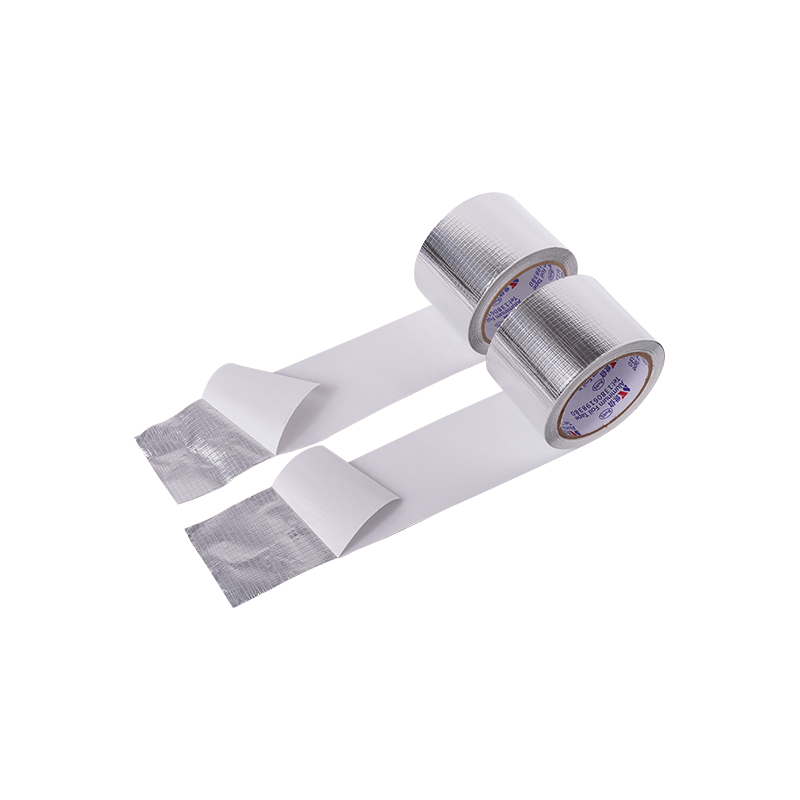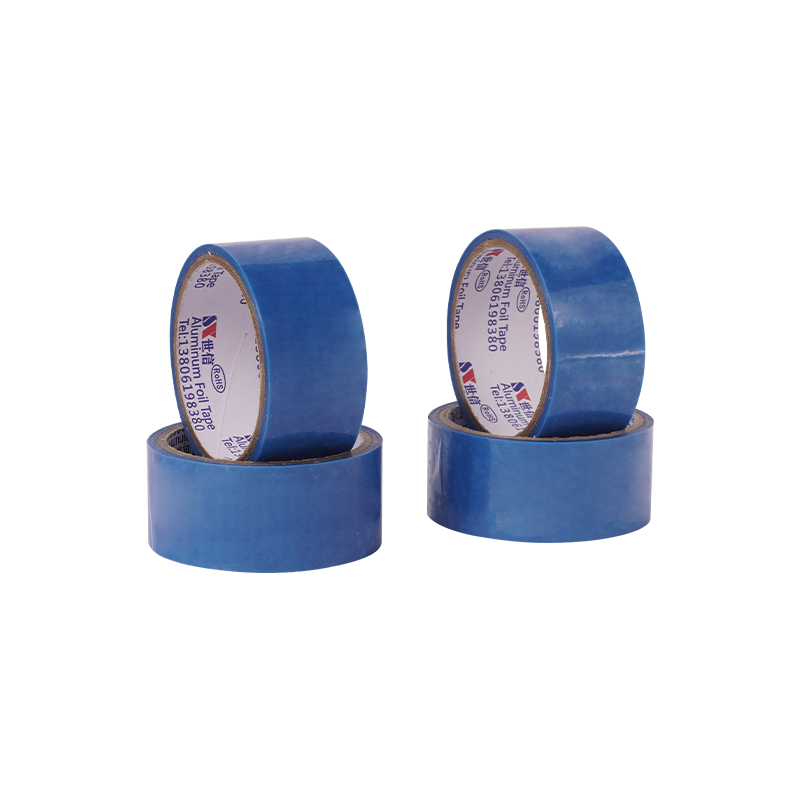
V moderných systémoch tepelného manažmentu je prvoradá účinnosť, jednotnosť a jednoduchosť inštalácie. Páska s vyhrievacím prvkom z hliníkovej fólie sa ukázal ako sofistikované riešenie pre tieto požiadavky, ktoré poskytuje konzistentné sálavé teplo na veľkých plochách. Na rozdiel od tradičných objemných ohrievačov toto riešenie využíva tenkú, vodivú vrstvu na generovanie tepla, vďaka čomu je ideálne pre aplikácie od obytného podlahového vykurovania až po antikondenzačnú ochranu v chladení. Pre inžinierov a špecialistov na obstarávanie je pochopenie technických nuancií tohto produktu nevyhnutné na optimalizáciu výkonu systému a zabezpečenie súladu s bezpečnosťou.
Hlavná funkcia tohto produktu spočíva v princípe elektrického odporového ohrevu. A vyhrievacia páska z flexibilnej fólie typicky pozostáva z vyhrievaného prvku, často z odporového drôtu alebo vodivého atramentu, zapuzdreného medzi vrstvami hliníkovej fólie a izolačného filmu. Pri prechode elektrického prúdu cez odporový prvok generuje tepelnú energiu, ktorá je následne účinne odvádzaná hliníkovou fóliou. Fólia pôsobí nielen ako ochranná vrstva, ale aj ako rozvádzač tepla, čím zaisťuje minimalizáciu horúcich miest a rovnomerné rozloženie teploty po celej ploche. Toto konštrukčné riešenie umožňuje rýchlu tepelnú odozvu a vysokú účinnosť prenosu energie.
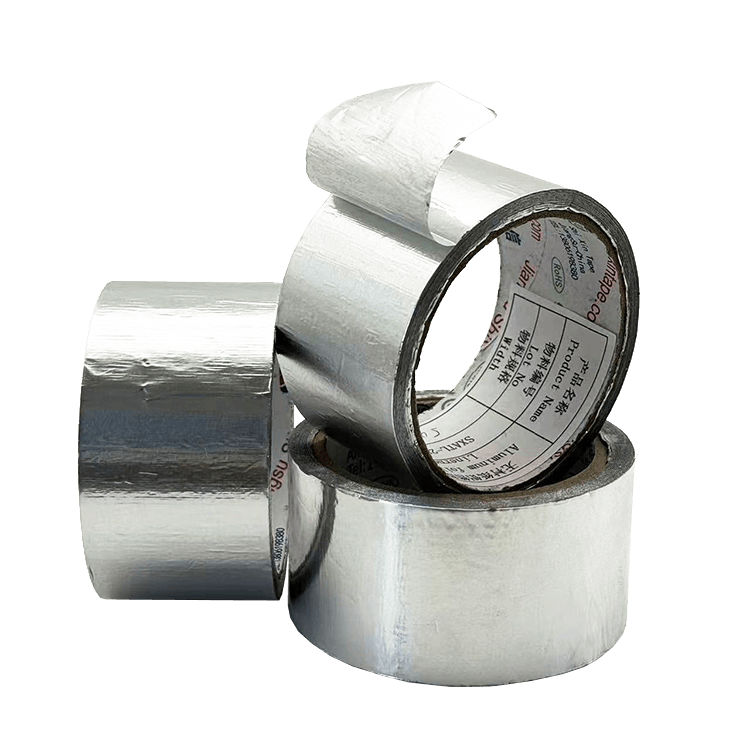
Spoľahlivosť pásky je určená jej materiálovým zložením. Vysokokvalitné varianty často obsahujú izolačné vrstvy PET (Polyester) pre dielektrickú pevnosť a hliníkovú fóliu pre tepelnú vodivosť. Odporový drôt je zvyčajne usporiadaný v sínusovom tvare, aby sa maximalizovalo pokrytie a zabránilo mechanickému namáhaniu počas tepelnej rozťažnosti.
Všestrannosť tejto technológie umožňuje nasadenie v rôznych prostrediach. Jeho nízky profil a flexibilita ho predurčujú na povrchy, na ktoré nie je možné umiestniť pevné vykurovacie panely.
Jednou z najvýznamnejších aplikácií je sálavé podlahové vykurovanie. An hliníková fóliová páska na vykurovacie teleso pre podlahové vykurovanie ponúka suchú metódu inštalácie, ktorá eliminuje potrebu práce s mokrým cementom. Páska sa navíja priamo pod povrch podlahy a poskytuje okamžité teplo. Hliníková podložka odráža teplo smerom nahor do miestnosti, čím zvyšuje tepelnú účinnosť znížením tepelných strát smerom nadol. Tento systém je obzvlášť obľúbený v projektoch modernizácie, kde je potrebné minimalizovať nárast výšky podlahy.
Správna inštalácia je rozhodujúca pre maximalizáciu životnosti vykurovacieho systému. Počas páska z hliníkovej fólie na podlahové kúrenie Pri inštalácii sa páska zvyčajne položí cez vrstvu izolačnej dosky. Táto konfigurácia zabraňuje absorpcii tepla do podkladu. Konštrukcia zaisťuje rovnomerné rozloženie vykurovacieho telesa a keďže je páska plochá, eliminuje riziko vzniku vzduchových vreciek, ktoré sa môžu vyskytnúť pri tradičných káblových systémoch. Inštalačný proces zahŕňa pripojenie pásky k termostatu a napájaciemu zdroju, čím sa zabezpečí, že všetky pripojenia budú vykonané v rozvodných skrinkách, aby boli v súlade s normami elektrickej bezpečnosti.
Určenie správnych parametrov je kľúčové pre bezpečnosť a funkčnosť. Inžinieri musia zladiť hustotu výkonu a menovité napätie ohrievača s tepelným zaťažením aplikácie a dostupným zdrojom napájania.
Výber napätia je prísne diktovaný prostredím aplikácie a regionálnymi elektrickými normami. The páska vykurovacieho telesa z hliníkovej fólie 220V je štandardnou voľbou pre väčšinu obytných a komerčných aplikácií podlahového vykurovania v regiónoch s napájaním zo siete 220V-240V, pretože umožňuje priame pripojenie bez potreby transformátorov. Možnosti nižšieho napätia (napríklad 12 V alebo 24 V) sú zvyčajne vyhradené pre stiesnené priestory alebo situácie, kde bezpečnostné predpisy vyžadujú mimoriadne nízke napätie.
| Funkcia | 220V páska | Nízkonapäťová (12V/24V) páska |
| Aplikácia | Bytové a komerčné podlahové kúrenie. | Malé podložky, automobilový priemysel a stiesnené priestory. |
| Inštalácia | Priame pripojenie k elektrickej sieti (vyžaduje ochranu RCD). | Vyžaduje transformátor alebo napájací zdroj. |
| Efektívnosť | Vysoká účinnosť pre veľké plochy; nižší odber prúdu. | Vyšší odber prúdu pri rovnakom výkone; môžu byť potrebné hrubšie káble. |
| Bezpečnostné úvahy | Musí byť inštalovaný certifikovaným elektrikárom; prísnejšie predpisy. | Bezpečnejšie pre ľudský kontakt; nižšie riziko úrazu elektrickým prúdom. |
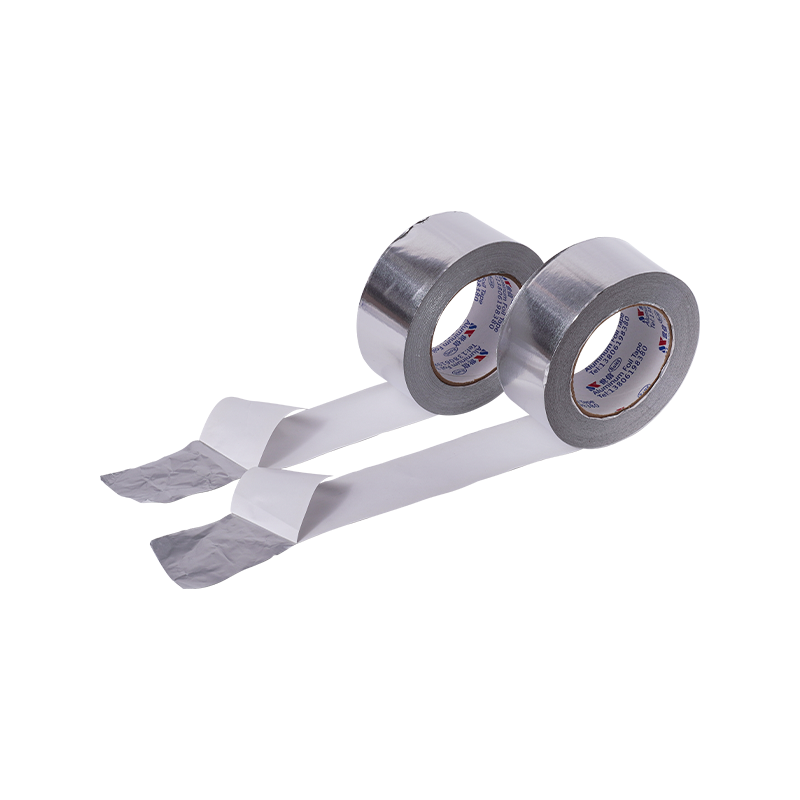
Efektívnosť inštalácie je hlavným nákladovým faktorom pri stavebných projektoch. Samolepiaca páska na vykurovacie teleso má na tlak citlivú lepiacu podložku chránenú uvoľňovacou vrstvou. Tento dizajn výrazne skracuje čas inštalácie, pretože pásku je možné pripevniť k podkladu jednoducho odlúpnutím vložky a jej stlačením. Použité lepidlo je formulované tak, aby vydržalo tepelné cykly, čím sa zabezpečí, že sa páska počas rokov zahrievania a ochladzovania nedelaminuje. V prípade obstarávania B2B sa táto funkcia premieta do znížených nákladov na pracovnú silu a rýchlejšej doby spracovania projektu.
Výkon vykurovacieho systému je neodmysliteľne spojený s kvalitou jeho komponentov. Založená v roku 2005 a pokrývajúca výrobnú plochu takmer 11 000 metrov štvorcových so 100 zamestnancami, vyvinuli sme sa v high-tech podnik integrujúci výskum a vývoj, výrobu a predaj. Presadzovaním kvality a reputácie ako základného kameňa nášho podnikania sa špecializujeme na prémiové lepiace riešenia, vrátane pokročilých hliníkových fóliových pások a vykurovacích prvkov.
Počas dvoch desaťročí špecializovaného rastu sme vyvinuli komplexné portfólio vrátane hliníkovej fóliovej pásky bez podložky, hliníkovej fóliovej pásky s podložkou, laminovanej hliníkovej fóliovej pásky a špecializovanej sklolaminátovej hliníkovej fólie. Naša odbornosť sa rozširuje na vystuženú hliníkovú fóliovú pásku FSK, vystuženú hliníkovú fóliovú pásku SS a automobilovú fóliovú pásku zo sklenených vlákien odolných voči vysokej teplote. Zaviazali sme sa poskytovať pragmatické, nákladovo efektívne riešenia prispôsobené potrebám priemyslu.
Naše výrobné procesy sú podložené prísnymi certifikáciami vrátane RoHS, REACH, ISO 9001, ISO 14001 a SGS. Dôverujú nám svetoví lídri ako Midea, KOREL, TCL, Zoppas, Skyworth, Vestel, KEGHICON a KONKA. Využitím veľkovýroby a lokalizovaného dodávateľského reťazca ponúkame našim partnerom 10% až 15% úsporu nákladov v porovnaní s dodávateľmi z EÚ. Naším cieľom je prehĺbiť spoluprácu s globálnymi partnermi a podporiť vzájomný rast v odvetví lepidiel.
Hliníková páska na vykurovacie teleso predstavuje spojenie elektrotechniky a materiálovej vedy a ponúka spoľahlivé, efektívne a ľahko inštalovateľné riešenie pre tepelný manažment. Či už sa používa na podlahové vykurovanie alebo proti kondenzácii, výber správnych špecifikácií – ako je napätie a typ priľnavosti – je rozhodujúci. Partnerstvo so skúseným výrobcom zabezpečuje prístup k certifikovaným, vysokokvalitným materiálom, ktoré spĺňajú prísne požiadavky moderného stavebníctva a priemyselných aplikácií.
Nie, páska vykurovacieho telesa sa nemôže rezať bez rozdielu. Prestrihnutie pásky môže prerušiť odporový obvod, prerušiť elektrickú cestu a spôsobiť nefunkčnosť ohrievača. Vyrába sa v pevných odporoch; dá sa však objednať v dĺžkach na mieru podľa konkrétnych pôdorysov.
Áno, ak je prevádzková teplota správne regulovaná. Drevené podlahy zvyčajne vyžadujú limit povrchovej teploty okolo 27 °C, aby sa zabránilo deformácii. Na zabezpečenie je potrebné použiť termostat s podlahovým snímačom vyhrievacia páska z flexibilnej fólie neprekročí túto hranicu.
Vysokokvalitná páska vyrobená certifikovanými výrobcami má pri správnej inštalácii životnosť viac ako 30 rokov. Hliníková fólia chráni vnútorný prvok a absencia pohyblivých častí prispieva k jeho dlhej životnosti.
Vo všeobecnosti je systém bezúdržbový. Keďže ide o tuhé vykurovacie riešenie bez pohyblivých častí, nie sú tu žiadne komponenty, ktoré by sa opotrebovali. Na zabezpečenie optimálneho výkonu sa odporúča pravidelné kontroly elektrických pripojení a nastavení termostatu.
Bezpečnosť je prvoradá. Správne nainštalovaný systém obsahuje prerušovač zemného okruhu (GFCI) alebo prúdový chránič (RCD). Ak vlhkosť prenikne do podlahy a dostane sa do kontaktu s páskou, zariadenie sa okamžite vypne a preruší prúd, aby sa zabránilo úrazu elektrickým prúdom.
Naša spoločnosť sa venuje priemyslu výroby pásky už viac ako 20 rokov a zameriava sa na rôzne Typy hliníkových fólových pások, penových pások, chladničiek atď.
Telefón: +86-159-5136-0053
+86-136-6515-8108
Whatsapp +86-159-5136-0053
Adresa: Č. 1, Yedong Road, západne od Yingbin Avenue, zóna hospodárskeho rozvoja, Suqian City, provincia Jiangsu, Čína
Miya miao
E -mail: [email protected]
Mobile/WhatsApp: 0086 19033791110
Copyright © Jiangsu Shixin Adhesive Tape Products Co., Ltd. All Rights Reserved. Vlastné výrobcovia lepidiel na chladničku ODM