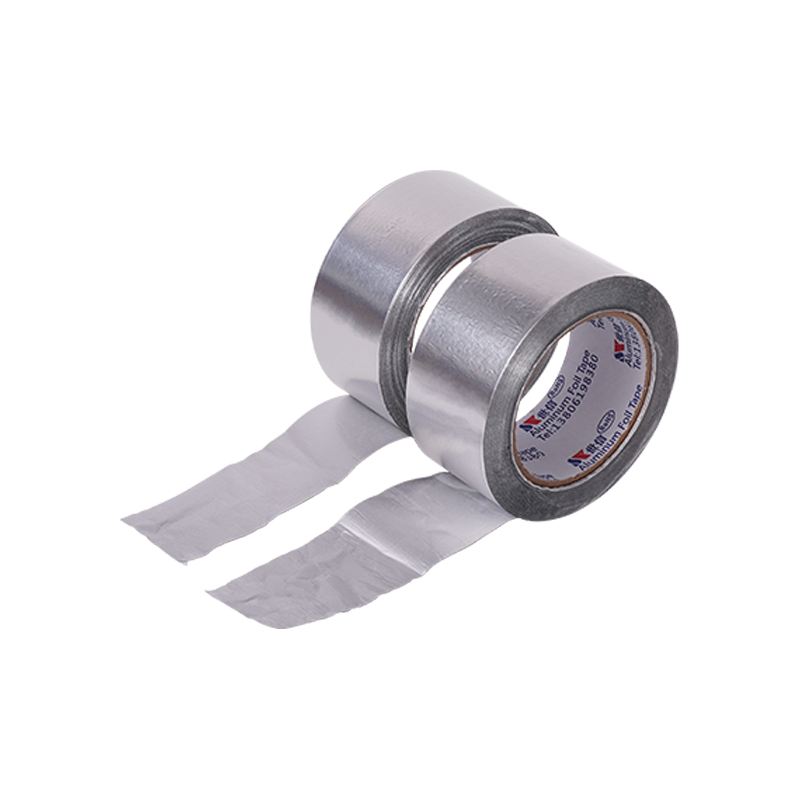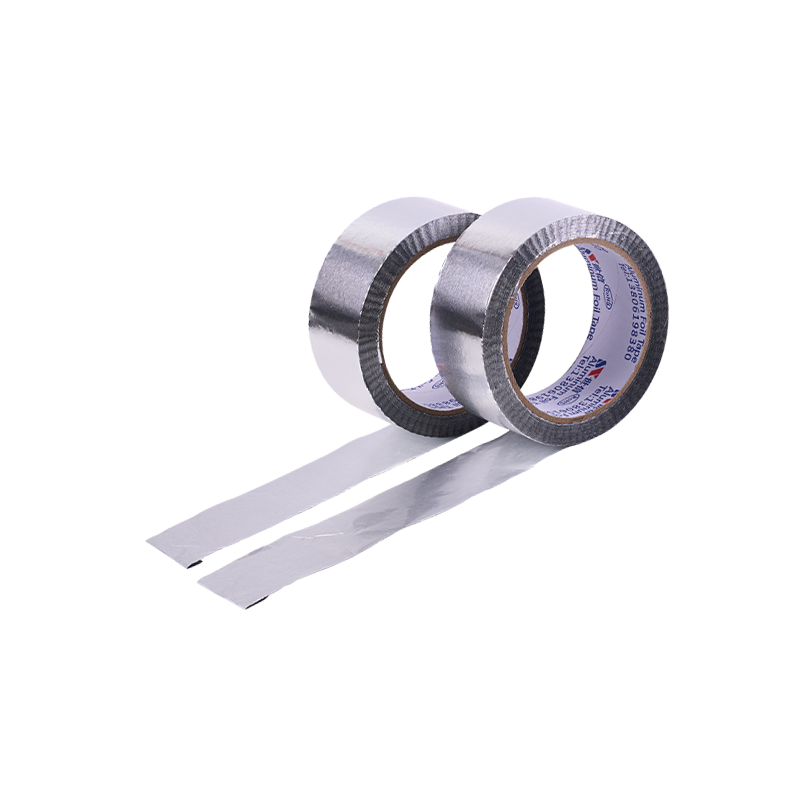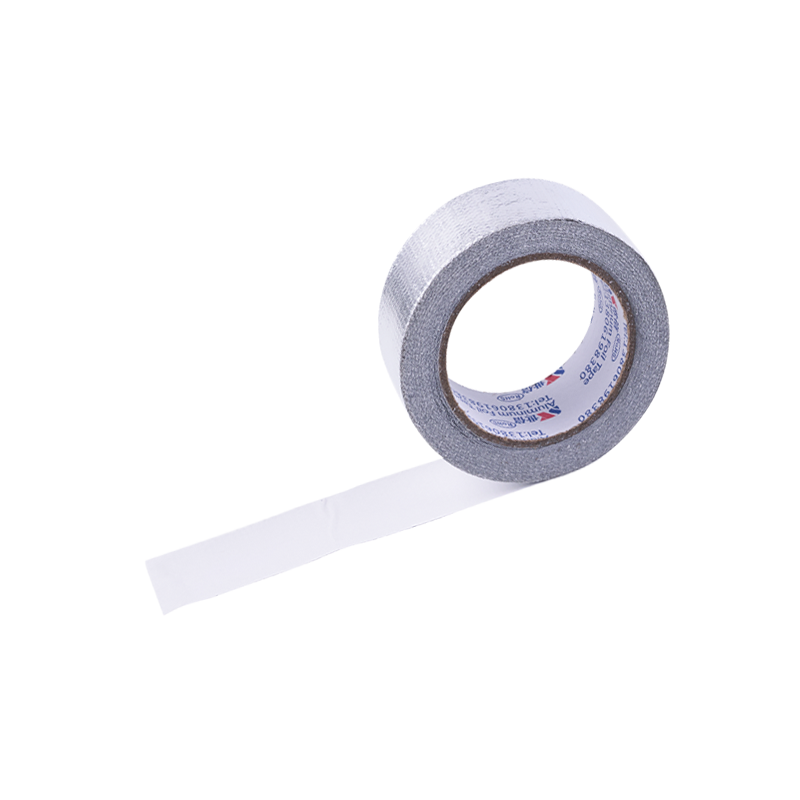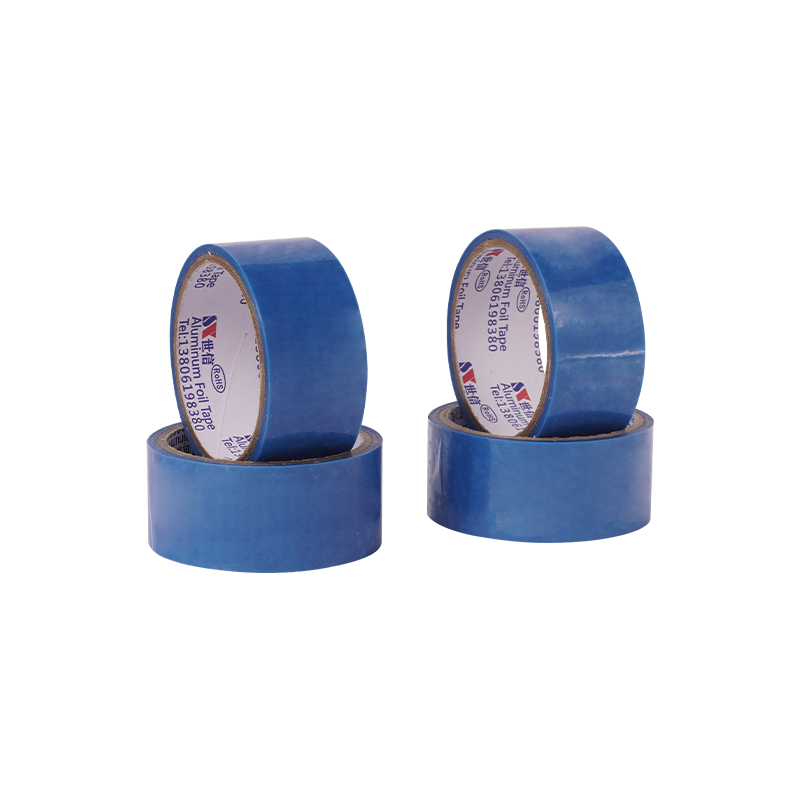
Výber správneho lepiaca páska z hliníkovej fólie pre projekt vyžaduje viac ako len jednoduchú objednávku. Vyžaduje si porozumenie prevádzkovým teplotám, materiálom substrátu, vystaveniu životnému prostrediu a súladu s predpismi. Pre výrobcov systémov HVAC, tímy priemyselnej údržby a špecialistov na obstarávanie spočíva rozdiel medzi tesnením, ktoré trvá desať rokov a tesnením, ktoré zlyhá za rok, v konštrukčných detailoch pásky.
Táto príručka poskytuje technický rozpis najbežnejších vysokovýkonných variantov – od hliníková fóliová páska na vetranie sušičky systémy do vysokoteplotná páska z hliníkovej fólie do rúry tesnenia — aby sa zabezpečila presnosť špecifikácie. Ako high-tech spoločnosť založená v roku 2005 integrujeme výskum a vývoj, výrobu a predaj v areáli s rozlohou 11 000 metrov štvorcových so 100 zamestnancami a dodávame certifikované riešenia globálnym lídrom.
Stavebné predpisy a bezpečnostné normy výslovne vyžadujú použitie pásky z kovovej fólie pre výfukové systémy sušičiek. Štandardná lepiaca páska s tkaninou sa degraduje pôsobením tepla a vlhkosti, čo vedie k úniku vzduchu a hromadeniu vlákien, čo predstavuje značné nebezpečenstvo požiaru. Hliníková fóliová páska na vetranie sušičky aplikácie musia poskytovať trvalé, vzduchotesné spojenie, ktoré odoláva nepretržitým prevádzkovým teplotám.
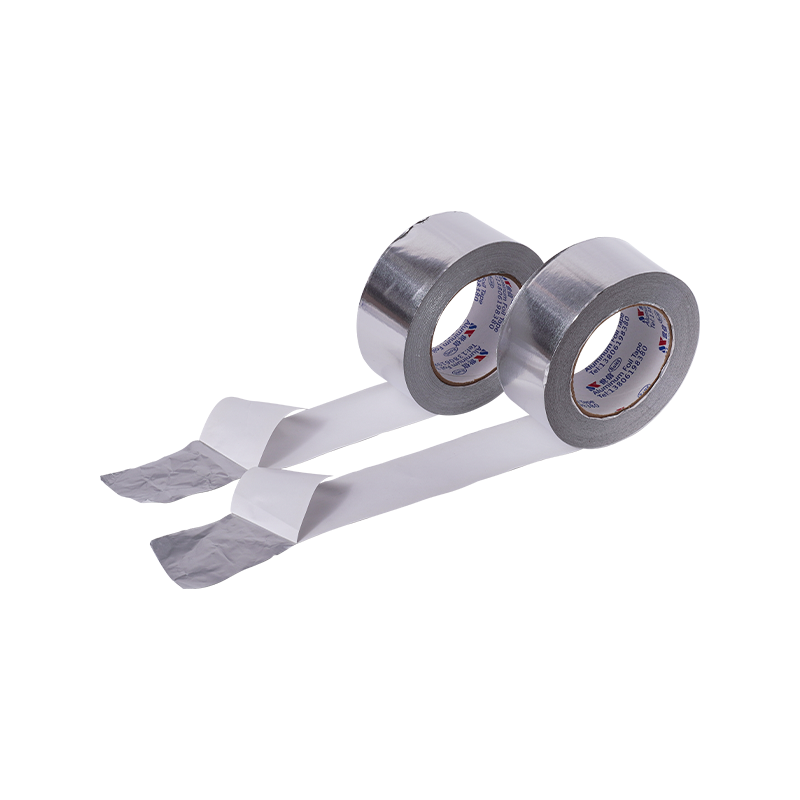
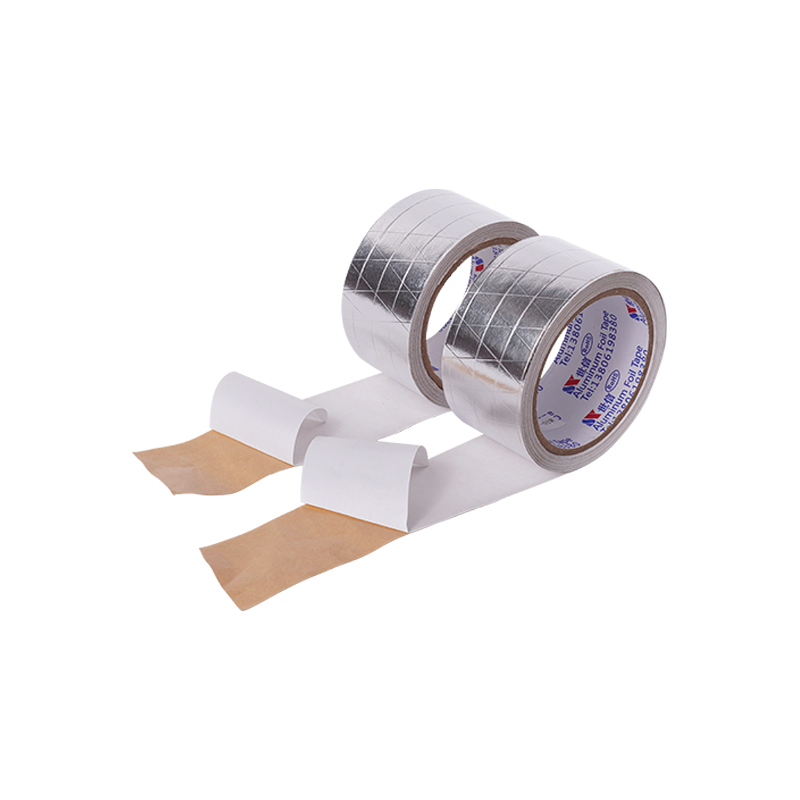
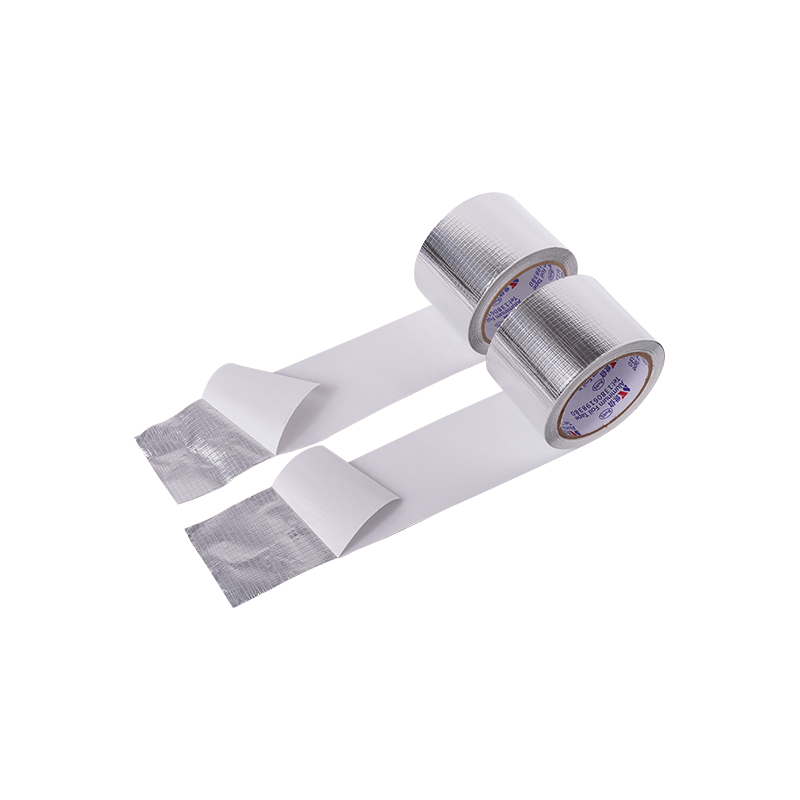
Uvoľňovacia vložka v prémiových konštrukciách ponúka inštalatérom kritickú výhodu: presné zarovnanie okolo výstupu sušiča a pripojení vetracích otvorov bez predčasného uchopenia lepidla. Označenie uvedené v zozname UL je povinné pre súlad s kódexom v Spojených štátoch a Kanade, čím sa overuje, že páska spĺňa prísne normy odolnosti voči ohňu a dymivosti.
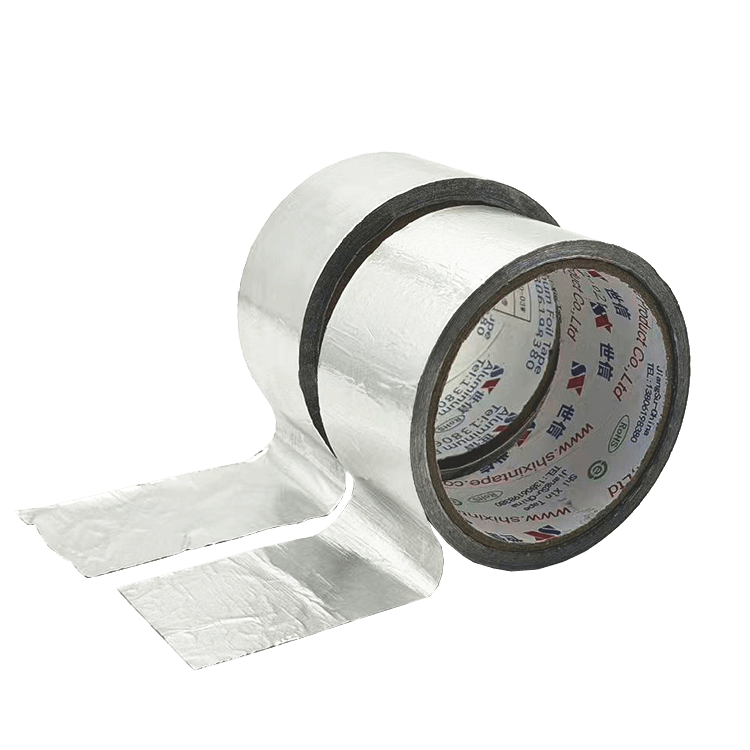
V systémoch HVAC, izolácia potrubia z hliníkovej fólie tesnenie plní dve základné funkcie: zabraňuje úniku podmieneného vzduchu a udržiava celistvosť parotesnej zábrany na izolovanom potrubí. Páska musí priľnúť k pozinkovanej oceli, flexibilným polymérnym fóliám potrubia a fóliovým sieťovinový kraft (FSK) obklad.
| Nehnuteľnosť | Štandardná špecifikácia HVAC (napr. 30µm fólia) | Uvedená špecifikácia UL 181A-P (napr. 50µm fólia) |
|---|---|---|
| Hrúbka podkladu | 30 mikrónov (1,2 mil) | 50 mikrónov (2,0 mil) |
| Priľnavosť k oceli | 15 N/25 mm (PSTC-1) | 25 N/25 mm (PSTC-1) |
| Pevnosť v ťahu | 45 N/25 mm | 50 N/10 mm (približne 125 N/25 mm) |
| Servisná teplota | -35 °C až 125 °C | -29 °C až 127 °C |
| Súlad s kľúčom | Všeobecný účel | UL 181A-P / UL 181B-FX |
V prípade nadzemného vonkajšieho potrubia musí páska spĺňať aj normu ASTM C1775, ktorá špecifikuje minimálny výkon pre laminátové ochranné plášte vystavené poveternostným vplyvom. Tento štandard zaisťuje, že páska a jej lepidlo si dlhodobo zachovávajú nízku paropriepustnosť a odolnosť voči UV žiareniu.
Pojem "vysoká teplota" je relatívny. Štandardné akrylové lepidlá, ako sú tie, ktoré sa používajú vo všeobecných HVAC páskach, zvyčajne fungujú pri teplote do 120 °C alebo 150 °C. Pre aplikácie, ktoré presahujú túto hodnotu, je potrebná zmena chémie. Vysokoteplotná páska z hliníkovej fólie do rúry tesniace alebo priemyselné zariadenia využívajú buď zosieťovaný akrylát (do 180 °C) alebo lepidlo citlivé na tlak (PSA) na báze silikónu.
Silikónové PSA, ako sú tie, ktoré sa používajú v 3M™ 433, ponúkajú rozsah použitia od -54 °C do 316 °C a sú určené na obmedzené vystavenie do 600 °F. Vďaka tomu sú vhodné na tepelnú ochranu vo vnútri dvierok rúry alebo na obalenie komponentov výfuku. Fóliový podklad, zvyčajne mäkký hliník, zostáva rovnaký, ale vložka sa často presúva z papiera na PET potiahnutý silikónom kvôli rozmerovej stabilite počas aplikácie pri zvýšených teplotách.
Hliníková páska na výfukové potrubie oprava a montáž čelia jedinečnej kombinácii stresorov: vysoké tepelné cykly, vibrácie a kontaminácia cestnými soľami a olejmi. Štandardná 30 µm fólia s akrylovým lepidlom v tomto prostredí rýchlo zlyhá. Inžinieri špecifikujú konštrukciu s hrubšou fóliou (50-80µm) a silikónovým lepidlom.
| Funkcia | Automobilový/výfukový stupeň Požiadavka | Typický priemyselný stupeň |
|---|---|---|
| Meradlo fólie | 50 µm alebo viac | 25-30 um |
| Typ lepidla | Silikón alebo vysokoteplotný akryl | Rozpúšťadlový akryl |
| Teplotný rozsah | -30 °C až 300 °C | -20 °C až 120 °C |
| Materiál podšívky | PET film (pre tepelnú stabilitu) | Papier |
| Kľúčová aplikácia | Tesnenie spojov výfukového potrubia, oprava tlmiča | Všeobecné tesnenie potrubia |
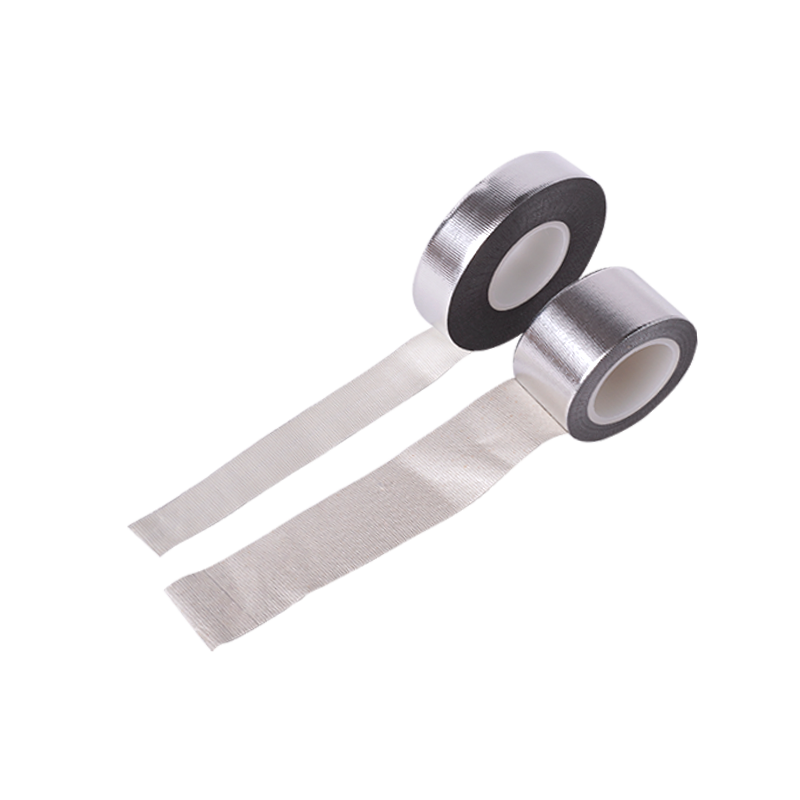
Pre náročné aplikácie je k dispozícii výstuž sklolaminátovou alebo nerezovou sieťovinou. Náš produktový rad zahŕňa Automobilové sklo odolné voči vysokým teplotám, hliníková fóliová páska, and SS vystužená páska z hliníkovej fólie , ktoré poskytujú pevnosť v ťahu potrebnú na odolnosť proti roztrhnutiu vplyvom vibrácií a mechanického oderu.
Pre strešné aplikácie, hliníková fóliová páska na opravu strechy funguje ako vynikajúci núdzový tmel a spoľahlivý lemovací materiál pre špecifické spoje. Nie je náhradou za úplnú výmenu strechy, ale poskytuje trvanlivé tesnenie kovových švov, odkvapov a okolo ventilačných komínov odolné voči poveternostným vplyvom. Kľúčovou požiadavkou je lepidlo s agresívnou lepivosťou a odolnosťou proti vlhkosti a UV degradácii. Zatiaľ čo akryláty fungujú dobre, butylkaučukové lepidlá sú často špecifikované pre svoju schopnosť lepiť sa na nepravidelné, nepolárne povrchy, ako je stará strešná lepenka a pozinkovaný kov.
O správnej príprave povrchu sa nedá rokovať. Podklad musí byť čistý, suchý, zbavený olejov alebo voľných granúl. Uvoľňovacia vložka na produktoch, ako sú Hliníková fóliová páska s vložkou je tu obzvlášť cenné; umožňuje inštalatérovi presne umiestniť pásku cez trhlinu alebo šev na šikmej streche pred zatlačením lepidla na miesto. Na vytvorenie pevného tlaku by sa mal použiť gumený valček, ktorý zabezpečí, že lepidlo zatečie do nerovností povrchu.
Výber lepidla určuje rozsah výkonu pásky viac ako ktorýkoľvek iný faktor. Nižšie je uvedené porovnanie bežných typov lepidiel používaných v lepiaca páska z hliníkovej fólie stavby.
| Typ lepidla | Teplotný rozsah | Vlastnosti kľúča | Typické aplikácie |
|---|---|---|---|
| Akryl na báze rozpúšťadla | -40 °C až 150 °C | Vysoká pevnosť v odlupovaní, vynikajúca odolnosť proti UV žiareniu a starnutiu, dobrá čírosť. | HVAC tesnenie, izolácia potrubí a všeobecná konštrukcia. |
| Akryl na vodnej báze | -30 °C až 120 °C | Nízke VOC, dobré pre kvalitu vzduchu v interiéri, stredná priľnavosť. | Zelená budova, využitie priestoru. |
| Vysokoteplotný akryl | -40 °C až 180 °C | Zosieťovaný pre tepelnú stabilitu, udržiava súdržnosť pri vysokých teplotách. | Vysokoteplotné zóny HVAC, procesné potrubie. |
| Silikón | -60 °C až 300 °C | Výnimočná tepelná a chemická odolnosť, dobré uvoľňovanie z vložiek. | Automobilový výfuk, letecký priemysel, vysokoteplotné priemyselné tienenie. |
| Butylová guma | -40 °C až 95 °C | Vysoká počiatočná lepivosť, vynikajúca bariéra proti vlhkosti, prispôsobuje sa nepravidelným povrchom. | Oprava striech, tesnenie kovových budov a oprava odkvapov. |
Náš komplexný sortiment hliníkových fóliových pások rieši tieto rôzne požiadavky. Za jadrom Hliníková fóliová páska s vložkou a bez možností vložky vyrábame:
Od roku 2005 naše zariadenie s rozlohou 11 000 štvorcových stôp funguje ako high-tech podnik integrujúci výskum a vývoj, výrobu a predaj. Táto integrácia nám umožňuje kontrolovať každú premennú, od čistoty hliníka až po konzistenciu hmotnosti lepiacej vrstvy. Presadzujeme kvalitu a reputáciu ako základný kameň nášho podnikania.
Naše kľúčové výhody sú postavené na overiteľných údajoch:
Zaviazali sme sa poskytovať pragmatické, nákladovo efektívne riešenia lepidiel a podporovať vzájomný rast s našimi globálnymi partnermi.
Akrylové lepidlá, vrátane vysokoteplotných variantov, sú zvyčajne určené na nepretržité použitie až do 150-180 °C. Ponúkajú vynikajúcu odolnosť proti UV žiareniu a starnutiu. Silikónové lepidlá sú formulované pre extrémne prostredie, odolávajú nepretržitým teplotám až do 260 °C a občasnému vystaveniu 300 °C alebo viac. Silikón si tiež zachováva lepšiu priľnavosť k materiálom s nízkou povrchovou energiou a odoláva chemikáliám a palivám.
Nie, štandardná páska HVAC s akrylovým lepidlom rýchlo zlyhá v dôsledku extrémneho tepla a vibrácií. Musíte použiť špecializovaný hliníková fóliová páska na výfukové potrubie oprava. Táto páska má hrubší fóliový podklad (často vystužený) a vysokoteplotné silikónové lepidlo navrhnuté tak, aby odolalo až 300 °C.
Pre komerčné inštalácie a mnohé miestne stavebné predpisy je zoznam UL 181 povinný. Pre domáce použitie je to silný indikátor bezpečnosti a výkonu. Pásky uvedené v zozname UL 181A-P a UL 181B-FX boli testované na odolnosť voči plameňu, vývoj dymu a teplotné cykly, čím sa zabezpečí, že nebudú prispievať k šíreniu požiaru.
Uvoľňovacia vložka chráni lepidlo pred kontamináciou a umožňuje presné umiestnenie pred aplikáciou. Mali by ste špecifikovať hliníková fóliová páska s la iner pre kritické aplikácie, kde je potrebné premiestnenie, ako napríklad pri komplexnej geometrii izolácie potrubia alebo pri vysekávaných dieloch používaných pri automatizovanej montáži. Páska bez vložky je vhodná pre jednoduché, vysokorýchlostné manuálne aplikácie, kde je zaručená prvotriedna presnosť.
Priľnavosť na streche vyžaduje starostlivú prípravu povrchu. Oblasť musí byť dôkladne vyčistená a vysušená. Pre drsné povrchy, ako je asfalt alebo starý kov, sa odporúča hrubšia páska s agresívnejším lepidlom, ako je butylkaučuk (hrúbka 45 mil), pretože môže zatekať do nepravidelností. Po použití silného tlaku valčekom sa priľnavosť pásky vytvorí počas nasledujúcich 24-72 hodín.
Naša spoločnosť sa venuje priemyslu výroby pásky už viac ako 20 rokov a zameriava sa na rôzne Typy hliníkových fólových pások, penových pások, chladničiek atď.
Telefón: +86-159-5136-0053
+86-136-6515-8108
Whatsapp +86-159-5136-0053
Adresa: Č. 1, Yedong Road, západne od Yingbin Avenue, zóna hospodárskeho rozvoja, Suqian City, provincia Jiangsu, Čína
Miya miao
E -mail: [email protected]
Mobile/WhatsApp: 0086 19033791110
Copyright © Jiangsu Shixin Adhesive Tape Products Co., Ltd. All Rights Reserved. Vlastné výrobcovia lepidiel na chladničku ODM